Relapse: A Setback, Not a Sentence – How to Bounce Back Stronger in Addiction Recovery

Help Is Here

Don’t wait for tomorrow to start the journey of recovery. Make that call today and take back control of your life!

"*" indicates required fields

Struggling with addiction is a marathon, not a sprint. While the ultimate goal is complete and sustained sobriety, the road to recovery can be filled with challenges. One of the most disheartening hurdles many recovering individuals face is relapse. However, what if we reframed relapse, not as a devastating failure, but as a learning experience on the path to long-term health?

This blog post will explore the reasons why relapse is a common occurrence in addiction recovery, and more importantly, how you can use it as an opportunity to strengthen your resolve and bounce back stronger.

Is Relapse Really Normal? Understanding the Statistics

Many people believe that relapse signifies a complete breakdown in recovery efforts. However, statistics paint a different picture. Studies show that relapse rates for various addictions can range from 40% to 60% within the first year of sobriety [source: relapse statistics addiction]. This highlights a crucial fact: relapse is exceedingly common.

So, why is relapse so prevalent? There are several contributing factors:

  • The Brain and Addiction: Addiction is a complex disease that rewires the brain’s reward system, making cravings and urges for the addictive substance incredibly powerful [source: addiction and the brain].
  • Triggers and Stress: Certain situations, people, or emotions can act as triggers, increasing the risk of relapse. Unmanaged stress can also be a major trigger [source: triggers for addiction relapse].
  • Underlying Mental Health Issues: Many individuals with addiction also struggle with co-occurring mental health disorders like depression or anxiety. These conditions can contribute to relapse if left untreated [source: co occurring disorders and addiction].

Key Takeaways:

  • Relapse is a common occurrence in addiction recovery, not a sign of weakness.
  • Addiction rewires the brain, making cravings and urges intense.
  • Triggers and stress can significantly increase the risk of relapse.
  • Untreated mental health issues can be a contributing factor.

Moving Forward: Strategies for Bouncing Back After Relapse

While relapse can be discouraging, it doesn’t have to derail your recovery journey. Here are some essential steps to take after a relapse:

  • Practice Self-Compassion: Don’t beat yourself up. Shame and guilt can hinder your progress. Acknowledge the relapse, but choose to move forward with self-compassion.
  • Identify Your Triggers: Reflect on what led to the relapse. Was it a specific situation? A negative emotion? Recognizing your triggers allows you to develop coping mechanisms.
  • Reconnect with Your Support System: Reach out to your therapist, sponsor, or support group. Talking about your relapse can be a powerful step towards getting back on track.
  • Reassess Your Treatment Plan: Consider if your current treatment approach is still meeting your needs. Discuss potential adjustments with your therapist or addiction specialist.
  • Develop Healthy Coping Mechanisms: Identify healthy ways to manage stress and difficult emotions. This could include exercise, mindfulness practices, or creative outlets.
  • Strengthen Your Relapse Prevention Plan: Review your existing plan and identify areas for improvement. This may involve avoiding certain people or places, or having a plan in place for managing cravings.

Remember, relapse is a teachable moment. Utilize this experience to grow stronger and more resilient in your recovery journey. Here are some questions to ask yourself:

  • What can I learn from this relapse?
  • How can I better manage my triggers in the future?
  • What additional support do I need to stay on track?

Conclusion: Building Resilience and Long-Term Sobriety

Recovery from addiction is a lifelong process. There will be bumps along the road, and relapse may be one of them. However, by viewing relapse as a learning experience and utilizing the strategies outlined above, you can bounce back stronger and build long-term sobriety. Remember, you are not alone in this journey. With support, self-compassion, and a commitment to your well-being, you can achieve lasting recovery.


More To Explore

addiction intervention services

Are Addiction Interventions Effective? A Guide for Families

When a loved one is struggling with addiction, the pain and frustration can feel overwhelming. You might feel helpless, unsure of the

what is alcoholics anonymous

What is Alcoholics Anonymous?

Alcoholics Anonymous (AA) is the most well-known and widely utilized peer-support program for people seeking recovery from addiction. 12-Step meetings like AA

connection between self-harm and addiction

Understanding the Connection Between Self-Harm and Addiction

Trigger warning: This post discusses self-harm and may be unsuitable for sensitive readers. If you are in crisis, please call 988. March

Meet Our Team

Coastal Detox of Southern California is composed of an entire team of highly trained substance abuse professionals in recovery.
phil castagnola surdrc program director

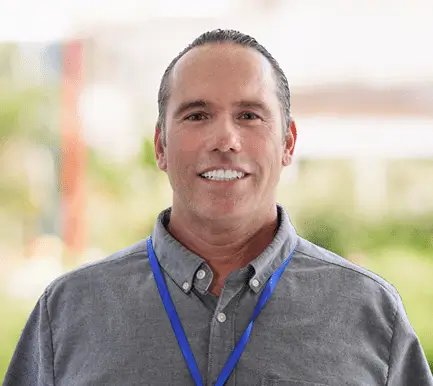
Phil Castagnola, SUDRC

Program Director

kay saffe lpcc clinical director

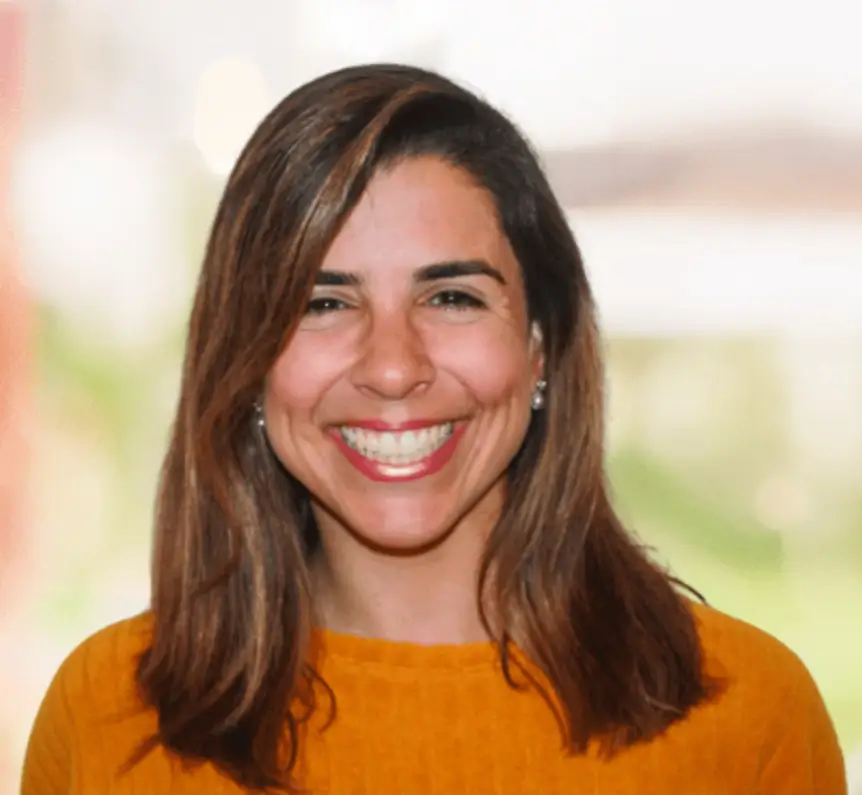
Kay Saffe, LPCC

Clinical Director

jeff swem sudrc director of operations

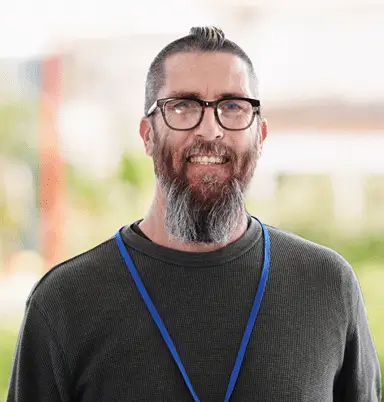
Jeff Swem, SUDRC

Director of Operations

Coastal Detox of Southern California is only a call away.

Contact Us Today for a Free Confidential Assessment and Insurance Verification.

Relapse: A Setback, Not a Sentence – How to Bounce Back Stronger in Addiction Recovery

Phil Castagnola

Case Manager

Philip was born and raised in San Diego. He grew up with parents who were functioning alcoholics /addicts. This led to adopting a faulty belief system from a very early age that using drugs and alcohol was an acceptable way to live. The belief system made it normal for him to begin using substances at the age of 15.
Philip has been a surfer his entire life and competed professionally for a few years in his 20’s. He has primarily worked in the surf industry. He eventually opened his own surf shop (Select Surf Shop) in the early 2000’s. His addiction eventually got the better of him and after losing his business and his family in 2006 he spent the next 3 years in and out of rehabs trying to recover. His substance abuse issues eventually landed him in federal prison. He used his time wisely and started working the steps of alcoholics anonymous and completing an 18-month treatment program. 
Philip was the primary caregiver for his mom who was permanently bedridden for the last 4 years. When covid hit he decided to pursue one of his goals and began going to school to become a substance abuse counselor.

After struggling with substance abuse issues for over 20 years philip now has 1 years of continuous sobriety and works a program of recovery givi4ng back to other addicts and alcoholics through sponsorship in the program of AA.

Philip studied AODS at San Diego City College and he is now completing his internship here at Coastal Detox of Southern California.

Philip’s main passion is sharing his experience, strength and hope with others who struggle with substance abuse issues. Helping others through their journey of getting and remaining free of their bondage of addiction.

Kay Saffe LPCC

Clinical Director

Kay Saffe grew up in Miami, Florida and is a first generation American with Argentinian roots. She struggled with drinking and substances, especially throughout her youth. Today, she has been in recovery for years and strives to prioritize her spiritual, mental, and physical health.

A lifelong athlete and ocean lover, she moved to San Diego to pursue a Master’s degree in counseling at the University of San Diego and progress her surfing. She has spent years working as a surf instructor and therapist, working with local non-profits that treat at risk individuals and families in English and Spanish. She incorporates a mindful and holistic approach to therapy. She is passionate about positive psychology and helping others through their recovery journey.

Jeff Swem, SUDRC

Director of Operations

Jeff was born and raised in San Diego, and spent much of his youth living blocks from where our residential housing is located.  He spent his teenage years skateboarding up and down the surrounding streets, and enjoying the Pacific Beach life in the 80’s/early 90’s. 

Jeff got to know the darker side of addiction early in life, with three near-death experiences in a row happening within a year.  He “settled down” into alcohol, and later in life became a professional brewer, but that too proved to be too cunning, baffling, and powerful a draw.  During Covid, he felt no choice but to surrender, and made the decision to get sober.  He attended a similar program to our own, and after completing the 30 days inpatient and attending IOP aftercare, he was able to forge a strong foundation of sobriety.  He has not found a reason to pick up a drink since the day that he checked into that detox.  After quitting the brewing gig (because of course, he had little choice there), he enrolled in the AODS program at City College with his sights on a new career of helping others.  Having completed the requirements involved, he went on to earn his certification in California for Substance Use Disorder Certified Counselor.

Jeff is married to his wife of nearly 25 years with a 21 year old daughter and 18 year old son, and thanks to the 12 steps, surrounding himself with a caring and supportive sober community, and coming to terms with his alcoholism, is able to lead others struggling with addiction through example and personal experience.