
How Long Do Fentanyl Withdrawal Symptoms Last?

Help Is Here

Don’t wait for tomorrow to start the journey of recovery. Make that call today and take back control of your life!

"*" indicates required fields


Fentanyl withdrawal is one of the most challenging aspects of overcoming addiction to this powerful synthetic opioid. Understanding the timeline and what to expect can help you prepare for the journey ahead and make informed decisions about getting professional help.

If you’re struggling with fentanyl addiction in Southern California, knowing the withdrawal process can be the first step toward recovery.

Understanding Fentanyl Withdrawal

Fentanyl is significantly more potent than other opioids – up to 100 times stronger than morphine, according to the Drug Enforcement Administration (DEA). This intense potency means withdrawal symptoms can be more severe and longer-lasting than with other opioids.

When someone uses fentanyl regularly, their body becomes physically dependent on the drug to function normally. When fentanyl use stops, the body struggles to regain balance, leading to uncomfortable and sometimes dangerous withdrawal symptoms.

The National Institute on Drug Abuse reports that fentanyl’s short half-life means withdrawal symptoms can begin within hours of the last dose, making medical supervision crucial for safety and comfort.

Fentanyl Withdrawal Timeline

Hours 6-12: Early Withdrawal

Symptoms typically begin 6-12 hours after the last dose. Early signs include anxiety, restlessness, muscle aches, and a runny nose. Many people also experience intense cravings during this phase.

Days 1-3: Peak Symptoms

The most intense withdrawal symptoms usually occur during the first 72 hours. This phase often includes severe muscle and bone pain, nausea, vomiting, diarrhea, insomnia, and extreme mood swings. Body temperature regulation becomes difficult, causing alternating chills and sweating.

Days 4-7: Gradual Improvement

Physical symptoms begin to subside, though they may still be significant. Sleep patterns start to normalize, and appetite may slowly return. However, psychological symptoms like depression and anxiety can persist.

Weeks 2-4: Post-Acute Withdrawal

While acute physical symptoms fade, many people experience post-acute withdrawal syndrome (PAWS). According to research published in the Journal of Addiction Medicine, this can include mood swings, anxiety, sleep disturbances, and cognitive difficulties that may last weeks or months.

Factors That Affect Withdrawal Duration

Several factors influence how long fentanyl withdrawal symptoms last:

Length of Use: People who used fentanyl for months or years typically experience longer withdrawal periods than those with shorter usage patterns.

Dosage: Higher doses often lead to more intense and prolonged withdrawal symptoms.

Method of Use: Injecting or smoking fentanyl can result in more severe withdrawal compared to other methods.

Overall Health: Physical and mental health conditions can impact both the severity and duration of withdrawal symptoms.

Co-occurring Substance Use: Using multiple substances simultaneously can complicate and extend the withdrawal process.

The Importance of Medical Supervision

Fentanyl withdrawal can be dangerous without proper medical care. The Substance Abuse and Mental Health Services Administration (SAMHSA) emphasizes that medical detoxification provides the safest environment for managing withdrawal symptoms.

At Coastal Detox of Southern California, our medical team specializes in opioid withdrawal management, using evidence-based approaches to minimize discomfort and ensure safety throughout the detox process.

Treatment Options During Withdrawal

Medication-Assisted Treatment (MAT)

The Food and Drug Administration (FDA) has approved several medications that can ease fentanyl withdrawal symptoms. These may include buprenorphine, methadone, or naltrexone, depending on individual circumstances.

Comfort Medications

Non-opioid medications can help manage specific symptoms like nausea, diarrhea, anxiety, and sleep disturbances. These supportive medications make the withdrawal process more tolerable.

Therapeutic Support

Counseling and behavioral therapies begin during detox to address the psychological aspects of addiction. Our comprehensive treatment approach combines medical care with therapeutic support for the best outcomes.

After Detox: The Path Forward

Completing fentanyl detox is a significant achievement, but it’s just the beginning of recovery. Research from Harvard Medical School shows that continuing with rehabilitation programs dramatically improves long-term success rates.

Without follow-up treatment, the risk of relapse remains high. Our team works with each client to develop individualized treatment plans that address both immediate detox needs and long-term recovery goals.

Getting Help

If you or someone you care about is struggling with fentanyl addiction, professional help is available. Don’t attempt to detox alone – the risks are too great, and medical supervision makes the process safer and more comfortable.

Contact Coastal Detox of Southern California today to speak with our admissions team. We’re available 24/7 to discuss your options and help you take the first step toward recovery.

Frequently Asked Questions

How painful is fentanyl withdrawal compared to other opioids?

Fentanyl withdrawal is generally considered more intense than withdrawal from prescription opioids like oxycodone or hydrocodone, but similar in severity to heroin withdrawal. The synthetic nature and high potency of fentanyl can make symptoms feel more overwhelming. Medical supervision with appropriate medications can significantly reduce discomfort.

Can I die from fentanyl withdrawal?

While fentanyl withdrawal itself is rarely fatal, complications can arise that require medical attention. Severe dehydration from vomiting and diarrhea, extreme blood pressure changes, and underlying health conditions can create dangerous situations. This is why medical detox is strongly recommended over attempting withdrawal alone.

Will I need medication to get through fentanyl withdrawal?

Most people benefit from medication-assisted treatment during fentanyl withdrawal. Medications like buprenorphine can significantly reduce withdrawal symptoms and cravings, making the process more manageable. Your medical team will determine the best approach based on your specific situation and medical history.

How long will it take before I start feeling normal again?

Acute physical symptoms typically improve within the first week, but feeling “normal” takes longer. Most people notice significant improvement by 2-4 weeks, though some psychological symptoms may persist for months. The timeline varies greatly between individuals, and continuing treatment after detox helps speed the recovery process.

Can I work during fentanyl withdrawal?

Working during fentanyl withdrawal is extremely difficult and not recommended. The physical and psychological symptoms are intense enough that most people cannot maintain normal responsibilities. Taking time off for proper treatment is an investment in your long-term health and career prospects.

What’s the difference between fentanyl withdrawal and other opioid withdrawal?

Fentanyl withdrawal tends to start sooner (within 6-12 hours) compared to longer-acting opioids like methadone. The symptoms are often more intense due to fentanyl’s potency, and the psychological component can be stronger due to the drug’s powerful effects on the brain’s reward system.

Will insurance cover fentanyl detox treatment?

Most insurance plans are required to cover addiction treatment, including detoxification services, under the Mental Health Parity and Addiction Equity Act. Our insurance specialists can verify your benefits and help you understand your coverage options for both detox and ongoing treatment.

What happens if I relapse during or after withdrawal?

Unfortunately, relapse is common during early recovery, but it doesn’t mean failure. If relapse occurs, it’s crucial to get back into treatment immediately. Your tolerance will be lower after detox, which increases overdose risk. Many people require multiple treatment episodes to achieve lasting recovery, and each attempt builds valuable experience.

More To Explore

addiction intervention services

Are Addiction Interventions Effective? A Guide for Families

When a loved one is struggling with addiction, the pain and frustration can feel overwhelming. You might feel helpless, unsure of the

what is alcoholics anonymous

What is Alcoholics Anonymous?

Alcoholics Anonymous (AA) is the most well-known and widely utilized peer-support program for people seeking recovery from addiction. 12-Step meetings like AA

connection between self-harm and addiction

Understanding the Connection Between Self-Harm and Addiction

Trigger warning: This post discusses self-harm and may be unsuitable for sensitive readers. If you are in crisis, please call 988. March

Meet Our Team

Coastal Detox of Southern California is composed of an entire team of highly trained substance abuse professionals in recovery.
phil castagnola surdrc program director

Phil Castagnola, SUDRC

Program Director

kay saffe lpcc clinical director

Kay Saffe, LPCC

Clinical Director

jeff swem sudrc director of operations

Jeff Swem, SUDRC

Director of Operations

Coastal Detox of Southern California is only a call away.

Contact Us Today for a Free Confidential Assessment and Insurance Verification.

How Long Do Fentanyl Withdrawal Symptoms Last?

Phil Castagnola

Case Manager

Philip was born and raised in San Diego. He grew up with parents who were functioning alcoholics /addicts. This led to adopting a faulty belief system from a very early age that using drugs and alcohol was an acceptable way to live. The belief system made it normal for him to begin using substances at the age of 15.
Philip has been a surfer his entire life and competed professionally for a few years in his 20’s. He has primarily worked in the surf industry. He eventually opened his own surf shop (Select Surf Shop) in the early 2000’s. His addiction eventually got the better of him and after losing his business and his family in 2006 he spent the next 3 years in and out of rehabs trying to recover. His substance abuse issues eventually landed him in federal prison. He used his time wisely and started working the steps of alcoholics anonymous and completing an 18-month treatment program. 
Philip was the primary caregiver for his mom who was permanently bedridden for the last 4 years. When covid hit he decided to pursue one of his goals and began going to school to become a substance abuse counselor.

After struggling with substance abuse issues for over 20 years philip now has 1 years of continuous sobriety and works a program of recovery givi4ng back to other addicts and alcoholics through sponsorship in the program of AA.

Philip studied AODS at San Diego City College and he is now completing his internship here at Coastal Detox of Southern California.

Philip’s main passion is sharing his experience, strength and hope with others who struggle with substance abuse issues. Helping others through their journey of getting and remaining free of their bondage of addiction.

Kay Saffe LPCC

Clinical Director

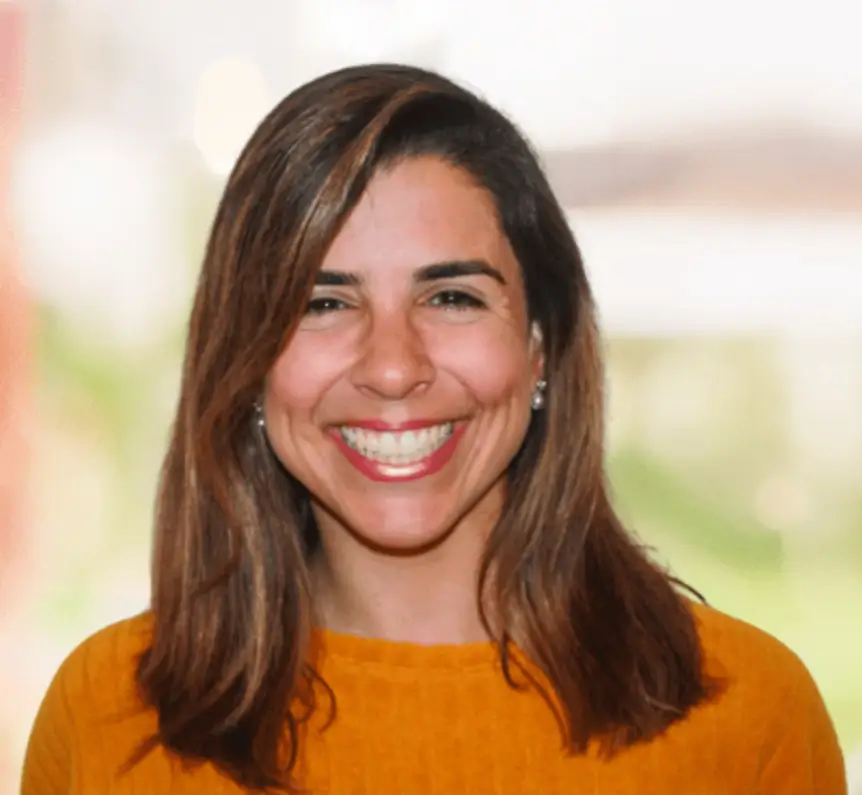
Kay Saffe grew up in Miami, Florida and is a first generation American with Argentinian roots. She struggled with drinking and substances, especially throughout her youth. Today, she has been in recovery for years and strives to prioritize her spiritual, mental, and physical health.

A lifelong athlete and ocean lover, she moved to San Diego to pursue a Master’s degree in counseling at the University of San Diego and progress her surfing. She has spent years working as a surf instructor and therapist, working with local non-profits that treat at risk individuals and families in English and Spanish. She incorporates a mindful and holistic approach to therapy. She is passionate about positive psychology and helping others through their recovery journey.

Jeff Swem, SUDRC

Director of Operations

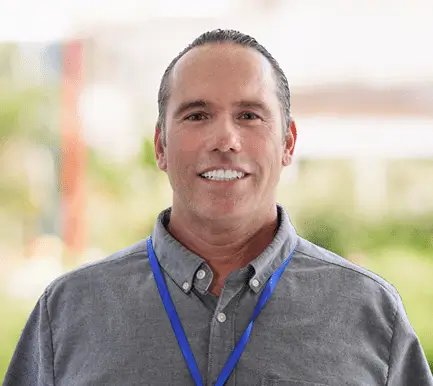
Jeff was born and raised in San Diego, and spent much of his youth living blocks from where our residential housing is located.  He spent his teenage years skateboarding up and down the surrounding streets, and enjoying the Pacific Beach life in the 80’s/early 90’s. 

Jeff got to know the darker side of addiction early in life, with three near-death experiences in a row happening within a year.  He “settled down” into alcohol, and later in life became a professional brewer, but that too proved to be too cunning, baffling, and powerful a draw.  During Covid, he felt no choice but to surrender, and made the decision to get sober.  He attended a similar program to our own, and after completing the 30 days inpatient and attending IOP aftercare, he was able to forge a strong foundation of sobriety.  He has not found a reason to pick up a drink since the day that he checked into that detox.  After quitting the brewing gig (because of course, he had little choice there), he enrolled in the AODS program at City College with his sights on a new career of helping others.  Having completed the requirements involved, he went on to earn his certification in California for Substance Use Disorder Certified Counselor.

Jeff is married to his wife of nearly 25 years with a 21 year old daughter and 18 year old son, and thanks to the 12 steps, surrounding himself with a caring and supportive sober community, and coming to terms with his alcoholism, is able to lead others struggling with addiction through example and personal experience.