
If you or a loved one is struggling with fentanyl, you are not alone, and reaching out for help is the most important first step you can take. We understand the overwhelming fear and urgency that comes with this journey.
Fentanyl is uniquely powerful, and trying to stop on your own can be dangerous, often leading to immediate relapse or severe complications. Your safety is our highest priority. At Coastal Detox, we provide a secure, medically supervised environment designed to stabilize you safely and compassionately.
While the withdrawal process can be challenging, you do not have to endure it alone. With professional care, fentanyl withdrawal symptoms are manageable. There is a path toward relief and recovery, and our San Diego based treatment team is here to support you every step of the way.
Fentanyl operates differently than other opioids. It is a synthetic opioid that is significantly more potent than heroin or morphine, allowing it to bind to the brain’s opioid receptors with much greater intensity. This extreme potency creates a rapid physiological dependency, which is why fentanyl withdrawal can be so physically and psychologically taxing compared to other substances.
There’s an important distinction between illicit fentanyl and prescription fentanyl. Prescription fentanyl is a pharmaceutical-grade medication used under strict medical supervision for severe pain, typically in hospital or hospice settings. Conversely, the fentanyl causing the current overdose crisis is illicitly manufactured. It is often pressed into counterfeit pills or mixed into other substances like cocaine, heroin, or meth, meaning users are frequently unaware of the exact dosage or what other dangerous adulterants might be present. This unpredictability is a primary reason why overdose risk is so high.
Attempting to quit fentanyl on your own often leads to relapse because the withdrawal symptoms—which can include severe agitation, intense cravings, and physical distress—become overwhelming very quickly. When the body has adapted to such a high-potency substance, the sudden absence of it can trigger a dangerous biological reaction.
Even people who have detoxed from heroin before are often surprised by how different fentanyl withdrawal can feel. 24/7 medical supervision is critical for safety. This ensures that withdrawal symptoms are managed in real-time, complications are addressed immediately, and evidence-based protocols—such as medically assisted stabilization—are utilized to help you move through this phase with the greatest comfort and the highest chance of success.
Recognizing the signs of fentanyl dependence is the first step toward getting the help you or your loved one needs. Fentanyl addiction is a complex medical condition, and many individuals find that they can no longer control their use, regardless of their desire to stop.
You may need professional fentanyl detox if you are experiencing any of the following:
If any of these signs resonate with your situation, please know that medical intervention is the safest way forward. You do not have to fight this battle alone.
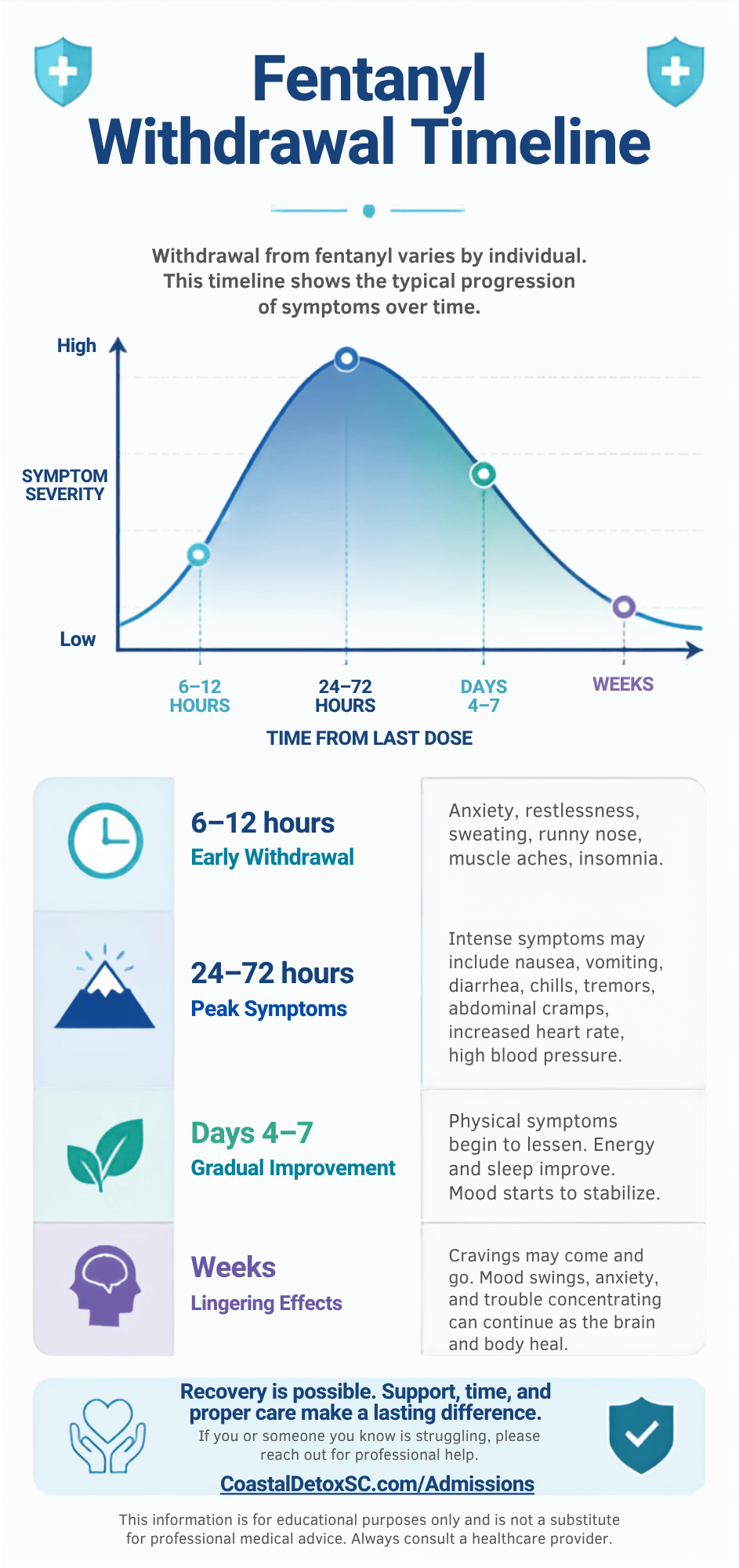
Understanding what to expect during the fentanyl withdrawal process is a crucial step in preparing for recovery. While every person’s journey is unique, withdrawal typically follows a predictable progression. Knowing these phases can help demystify the experience and highlight why medical supervision is so vital for your safety and comfort.
Usually beginning shortly after your last dose, the initial phase often involves a surge of anxiety and intense, persistent cravings. Physical signs begin to emerge, commonly including excessive sweating, a runny nose, and a deep sense of restlessness that makes it difficult to settle down.
As the body reacts to the absence of fentanyl, you will enter the peak withdrawal phase, which typically brings the most acute physical discomfort. This can include episodes of vomiting and diarrhea, coupled with severe muscle pain, intense chills, insomnia, and an elevated heart rate. It is during this time that our medical team provides targeted interventions to ensure your stability and manage these symptoms effectively.
Even after the acute physical phase subsides, the brain and body continue to heal. You may experience what is known as post-acute withdrawal, which can manifest as lingering depression, deep fatigue, ongoing sleep disruption, and waves of cravings. These symptoms are a natural part of the brain chemistry rebalancing and are best navigated with the support of a comprehensive treatment plan.
Timeframe | Symptoms |
|---|---|
6–12 hours | Early withdrawal |
24–72 hours | Peak symptoms |
Days 4–7 | Gradual improvement |
Weeks | Cravings, mood changes |
Please note that these timelines are estimates and can vary significantly based on your individual circumstances. Factors that influence your specific timeline include:
The recovery journey begins with a streamlined admission process designed to reduce stress and prioritize safety. Upon arrival, our team assists with insurance verification to ensure your coverage is maximized. This is followed by a comprehensive medical evaluation where our physicians review your health history and current physical state. To build a precise stabilization plan, we conduct thorough drug screenings and psychiatric screenings, allowing us to identify any co-occurring mental health conditions that require integrated care.
Safety and comfort are the cornerstones of our stabilization phase. Our 24/7 nursing staff provides continuous vital sign monitoring to respond immediately to any changes in your condition. We emphasize holistic support, including targeted hydration and nutrition plans to restore your body’s strength. Additionally, our medical team utilizes comfort medications (e.g., anti-nausea, non-opioid pain relievers, sleep aids) to alleviate the distressing physical symptoms of withdrawal, ensuring you remain as stable and comfortable as possible throughout the process.


We utilize evidence-based medication-assisted treatment (MAT) to manage the complexities of fentanyl withdrawal throughout opioid rehab. Our physicians may prescribe medications such as buprenorphine or Suboxone to significantly reduce cravings and physical distress. For post-detox support, Naltrexone may be discussed as an option to help maintain long-term sobriety.
A critical component of fentanyl detox is the timing of MAT induction. Due to fentanyl’s unique properties, starting Buprenorphine too early can trigger precipitated withdrawal—a sudden and severe onset of symptoms. Our medical team carefully monitors your withdrawal progress to determine the exact moment it is safe to begin medication. All treatment decisions are made by our experienced medical staff and are strictly tailored to your specific physiological needs and recovery goals.
While your physical safety and comfort are prioritized during medical stabilization, we also begin the essential psychological and social work of recovery. Therapy and support services are integrated into your detox program to provide a holistic foundation for lasting sobriety. This initial therapeutic phase includes:
Attempting to detox from fentanyl at home is inherently dangerous. Because the potency of street-level fentanyl is unpredictable, and because it is frequently combined with other potent substances, the physical and psychological toll of withdrawal can be extreme. Medical detox provides the clinical oversight necessary to manage these life-threatening variables in a safe environment.
Below are common concerns regarding home detox versus professional medical care:
Choosing medical detox isn’t just about managing symptoms, it’s about ensuring your survival. At Coastal Detox, we are equipped to handle these complexities, providing a safety net that simply does not exist at home.
Many patients struggling with fentanyl dependence also battle co-occurring mental health conditions such as PTSD, anxiety, depression, trauma, and bipolar disorder. We recognize that these conditions are often deeply intertwined with substance use.
Our clinical team prioritizes integrated, dual diagnosis treatment for addiction and co-occurring mental health conditions. We treat both the addiction and the underlying mental health conditions simultaneously rather than as separate issues. This comprehensive approach ensures that the root causes of distress are managed in real-time, providing a more stable foundation for long-term recovery and reducing the risk of relapse triggered by untreated psychological symptoms.
Recovery is a lifelong journey that extends far beyond the initial detox process. It is critical to understand that detox alone is rarely sufficient for long-term recovery, it is the first step toward stability.
To achieve lasting change, fentanyl recovery programs follow a comprehensive continuum of care designed to support you at every stage. After medical detox lays the foundation for safe stabilization, patients can move through the next steps of treatment and recovery:
Residential Treatment: Intensive inpatient rehab to address the root causes of addiction.
Outpatient Programs: Structured support as you begin to reintegrate into daily life.
Aftercare Planning: Continued guidance to prevent relapse.
Recovery Community: Ongoing connection and peer support.
At Coastal Detox, we specialize in the first two critical stages: medical detox and residential treatment. While our direct services focus on these phases, your success remains our priority.
Our dedicated case managers work closely with you from day one to create a detailed, personalized aftercare plan. We provide comprehensive assistance to help you seamlessly step down to the lower levels of care, such as outpatient programs and sober living arrangements, that will best sustain your health and sobriety in the months and years ahead.
Choosing the right place for fentanyl detox is a critical decision that impacts your safety, comfort, and long-term success. At Coastal Detox, we differentiate ourselves through a rigorous commitment to clinical excellence and personalized, compassionate care. As a premier San Diego provider, we understand the specific local landscape of fentanyl and offer the high-level expertise needed to navigate recovery safely.
Here is why patients and families trust Coastal Detox:

By integrating these specialized medical and supportive services, Coastal Detox provides fentanyl detox that goes far beyond simple physical stabilization. We are here to ensure that your first step into recovery is taken on the firmest possible footing, right here in San Diego.
While the fentanyl withdrawal process itself is rarely the direct cause of death, it creates significant medical dangers that can be life-threatening without professional supervision. Fentanyl withdrawal triggers a massive stress response in the body, which, if unmanaged, can lead to severe dehydration, critical electrolyte imbalances, and dangerous cardiovascular stress that may result in seizures or heart failure.
The risk increases significantly if you are using other substances, such as benzodiazepines or alcohol, alongside fentanyl. Attempting to detox at home is particularly hazardous because these complications require 24/7 monitoring and immediate clinical intervention to ensure patient safety and prevent fatal outcomes.
While the experience varies from person to person, fentanyl withdrawal is physically and mentally demanding, often characterized by intense discomfort that can feel overwhelming. Patients typically report physical symptoms that include severe muscle and bone pain, intense chills, gastrointestinal distress, and debilitating restlessness.
Beyond the physical sensations, the psychological toll of intense anxiety, depression, and persistent cravings can add another layer of difficulty to the process. Because fentanyl is so potent, the body’s reaction to its sudden absence can be acute, but with 24/7 medical supervision and the use of comfort medications, these symptoms can be managed safely and significantly eased to make the transition more tolerable.
How long fentanyl withdrawal lasts can vary, but it typically follows a predictable progression. Fentanyl withdrawal usually begins within 6 to 12 hours of the last dose with early symptoms including anxiety and cravings. The most acute physical symptoms, such as vomiting, severe muscle pain, and insomnia, typically peak between 24 and 72 hours, with gradual physical improvement usually occurring between days 4 and 7.
This timeline is an estimate, and the duration and intensity can vary significantly based on individual factors. The length of use, specific dosage, overall health, and the presence of other substances—such as alcohol, benzodiazepines, or adulterants like xylazine—can all impact how long your body needs to adjust and the nature of lingering symptoms like mood changes and cravings that may persist for weeks.
Attempting to detox from fentanyl at home is strongly discouraged due to significant medical risks. Because fentanyl is potent and unpredictable—and frequently combined with other dangerous substances—withdrawal can be life-threatening. Without 24/7 medical supervision, you face serious dangers such as severe dehydration, cardiovascular complications, and a higher risk of fatal overdose if relapse occurs.
Professional medical detox provides a controlled, safe environment to manage these intense physical and psychological symptoms. By choosing a detox and rehab facility, you gain access to vital comfort medications, real-time medical monitoring, and a specialized team trained to address complexities like co-occurring mental health issues, ensuring you have the highest chance of a safe and successful start to your recovery journey.
Medications used during fentanyl detox are carefully selected to manage withdrawal symptoms, minimize cravings, and ensure patient safety. Common evidence-based treatments include buprenorphine and Suboxone, which help stabilize brain chemistry and significantly reduce the severity of opioid withdrawal. Naltrexone may also be utilized in later stages as a non-addictive, long-acting option to block opioid receptors and support long-term recovery.
To address specific physical and psychological discomfort, medical teams often prescribe non-opioid comfort medications, such as anti-nausea agents, sleep aids, and muscle relaxants. Because fentanyl withdrawal requires careful timing—especially when introducing buprenorphine to avoid precipitated withdrawal—all medication decisions are strictly individualized and managed by our physicians based on your unique health history and current symptoms.
Most insurance policies do cover fentanyl detox, although the amount of cost covered depends on the specifics of your individual health insurance policy. Some plans offer full coverage for medically supervised detox, while others will require you to seek treatment from an in-network provider, pay a copay, or meet an out-of-pocket deductible before coverage begins.
Because insurance coverage varies significantly between providers and types of policy (HMO vs. PPO, etc.), it’s important to verify your coverage before beginning your detox treatment. At Coastal Detox, our admissions team offers rapid, confidential, and obligation-free insurance verification to help you understand your benefits and maximize your coverage. If your specific policy is not accepted, we are committed to helping navigate alternative options or connecting you with other facilities to ensure you can still access the treatment you need.
You can often get admitted to medical detox at Coastal Detox of Southern California on the same day you reach out for help. We prioritize immediate access to care, and our admissions team is available 24/7 to perform a confidential, rapid pre-screen and insurance verification, a process that typically takes only a few minutes.
Once clinical criteria are met and bed availability is confirmed, we can immediately arrange for your admission to our Pacific Beach facility. By prioritizing a seamless and efficient intake process, we strive to eliminate waiting lists so you can begin your recovery journey without delay.
Yes, you can safely detox even if you are using multiple substances. Many people struggling with fentanyl addiction also use other substances, such as alcohol, benzodiazepines, stimulants, or other opioids. Our medical team is highly experienced in managing polysubstance withdrawal, which requires a specialized, more cautious approach because withdrawal from different substances can interact in complex and sometimes dangerous ways.
Because combining substances significantly complicates the detox process, we develop a personalized stabilization plan that addresses all substances in your system simultaneously. This includes continuous vital sign monitoring, tailored medication protocols to prevent severe withdrawal complications, and integrated clinical care to ensure your safety throughout the entire transition.
Relapsing during the recovery journey is not a failure, it’s often a sign that your treatment plan needs to be adjusted. Addiction is a chronic, relapsing condition, and encountering setbacks is a common part of the process for many people seeking long-term sobriety. If a relapse occurs, it is an opportunity to reach out for additional support, reassess your recovery tools, and recommit to your health with renewed understanding.
At Coastal Detox, we view relapse through a lens of compassion, not judgment. Instead of shame or stigma, we work with you to understand the triggers and challenges that led to the setback so we can strengthen your aftercare planning and support strategies. Our priority remains your safety and well-being, and we are here to help you get back on the right path whenever you are ready to take the next step.
Yes, family involvement is welcomed and strongly encouraged as a vital component of the recovery process. Addiction often impacts the entire family unit, and including your loved ones can help repair relationships, build a deeper support network, and provide families with the education they need to better understand the realities of fentanyl addiction and recovery.
While detox is a private and medically focused period, we offer resources for family members to stay informed and engaged, from the initial admission through your transition planning. Our team is dedicated to helping you and your family navigate this journey together, ensuring you have the strongest possible foundation for long-term health and connection.

Kay Saffe, LPCC, is a Licensed Professional Clinical Counselor and Clinical Director at Coastal Detox of Southern California. She holds a Master’s Degree in Clinical Mental Health Counseling from the University of San Diego and a Bachelor’s Degree in Psychology from New College of Florida. She has been in recovery for over 4 years and is passionate about using positive psychology to help others through their own recovery journey. Outside of Coastal Detox, Kay also works as a surf instructor and volunteers with local San Diego non-profits to help treat at-risk individuals in both English and Spanish. Originally from Miami, Florida, Kay is a first-generation American with Argentinian heritage.
Contact Us Today for a Free Confidential Assessment and Insurance Verification.
"*" indicates required fields