The Power of Art Therapy in Addiction Treatment

Help Is Here

Don’t wait for tomorrow to start the journey of recovery. Make that call today and take back control of your life!

"*" indicates required fields

In the  addiction treatment setting, art therapy is a powerful tool for patients to express themselves and open non-verbal pathways to healing and self-discovery. 

At Coastal Detox of Southern California, our drug and alcohol treatment is individually tailored to each patient and designed to address the emotional and spiritual aspects of addiction, alongside physical and psychological treatment. We use weekly creative expression therapies, including art and music, to help patients get in touch with their deeper emotions, resolve past traumas, and learn healthy coping tools to help them avoid future relapse. 

Addiction is a complex disease affecting millions, requiring comprehensive, multi-faceted treatment approaches. While traditional methods like cognitive behavioral therapy (CBT) and medication-assisted treatment (MAT) are vital, holistic therapies and activities are an important complement to residential treatment. At Coastal Detox, this holistic approach is woven through everything we do. If you’re ready to join us, call our admissions team today to get started on your sober journey. 

What Is Art Therapy?

Art therapy is a guided mental health exercise that utilizes the creative process of making art to improve a person’s physical, mental, and emotional well-being. 

The Power of Art Therapy in Addiction Treatment | art therapy

Unlike a traditional art class, the focus is not on artistic skill or the final product, but on the process itself as a means of communication and self-exploration. Art therapy sessions provide a safe, structured outlet for detox and rehab patients to express feelings, manage stress, process trauma, and improve self-awareness—all critical elements in sustained recovery.

Art therapy is rooted in the idea that some feelings and experiences are too difficult or complex to articulate verbally. By engaging with materials like paint, clay, or collage, people can externalize internal struggles, allowing them to gain distance and perspective on their addiction and underlying issues.

How Art Therapy Aids Addiction Recovery

Research and clinical experience consistently highlight the benefits of incorporating art therapy into addiction treatment protocols:

Non-Verbal Expression of Trauma and Emotion

Many people who struggle with addiction have also experienced some type of trauma in their past. Discussing these hurtful events verbally in a therapy setting can be re-traumatizing, triggering, and emotionally overwhelming. 

Art therapy offers a crucial “side door” to these memories and emotions. Clients can draw, sculpt, or paint their feelings, allowing them to surface and be processed without the immediate pressure of finding the right words. 

This process can be especially beneficial for people who are resistant to verbal therapy, on the autism spectrum, or anyone who has difficulty identifying and describing emotions.

Reduced Stress and Improved Coping Skills

The act of creating art has a natural calming effect, reducing cortisol levels and activating the brain’s reward centers. This bio-physiological response makes art therapy an excellent tool for developing healthy coping mechanisms to manage triggers, cravings, and anxiety—essential skills for relapse prevention.

Increased Self-Awareness and Insight

Art provides tangible evidence of a person’s inner world. A completed piece can serve as a mirror, offering patients new insights into their behavioral patterns, emotional triggers, and core beliefs that fuel their addiction. 

This external view of their internal landscape makes it easier for patients and therapists to analyze difficult emotions and discuss the path to recovery.

Rebuilding Self-Esteem and Identity

Addiction often erodes a person’s self-worth and sense of purpose. Completing an art project, regardless of its aesthetic value, provides a sense of accomplishment. 

Art therapy can help patients explore and reconnect with their authentic identity outside of their substance use, rebuilding a sense of competency and hope for the future.

Art Therapy at San Diego’s Coastal Detox 

At Coastal Detox, art therapy is a cornerstone of our holistic, patient-centered treatment philosophy. Recognizing the necessity of treating the whole person—mind, body, and spirit—we integrate art therapy as a way for patients to connect with their inner selves. 

Our patients don’t need any prior artistic experience to benefit from the program. The Coastal Detox environment is supportive and non-judgmental, focusing entirely on the therapeutic benefits derived from the creative process. 

By offering this specialized form of therapy, Coastal Detox ensures that patients have multiple avenues—verbal, behavioral, and creative—to achieve lasting recovery.

Start Healing Today

The journey through addiction recovery is deeply personal and complex. Art therapy provides a tangible, evidence-based approach to navigate the emotional landscape of healing. 

At Coastal Detox of Southern California, expressive arts and holistic therapies are not just another amenity on the marketing brochure, they’re a vital component of what makes our approach successful. We believe in empowering people to move beyond the confines of addiction and learn who they are when they stop letting drugs and alcohol define them. 

If you or someone you know is ready to get help, we’re here for you. Call our admissions team today to get started


More To Explore

addiction intervention services

Are Addiction Interventions Effective? A Guide for Families

When a loved one is struggling with addiction, the pain and frustration can feel overwhelming. You might feel helpless, unsure of the

what is alcoholics anonymous

What is Alcoholics Anonymous?

Alcoholics Anonymous (AA) is the most well-known and widely utilized peer-support program for people seeking recovery from addiction. 12-Step meetings like AA

connection between self-harm and addiction

Understanding the Connection Between Self-Harm and Addiction

Trigger warning: This post discusses self-harm and may be unsuitable for sensitive readers. If you are in crisis, please call 988. March

Meet Our Team

Coastal Detox of Southern California is composed of an entire team of highly trained substance abuse professionals in recovery.
phil castagnola surdrc program director

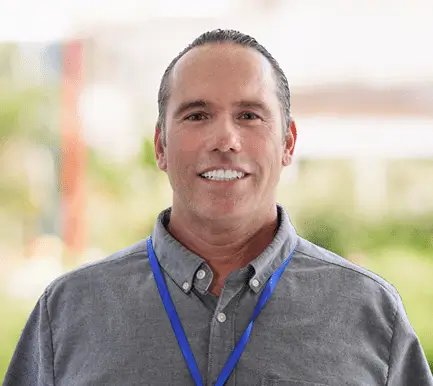
Phil Castagnola, SUDRC

Program Director

kay saffe lpcc clinical director

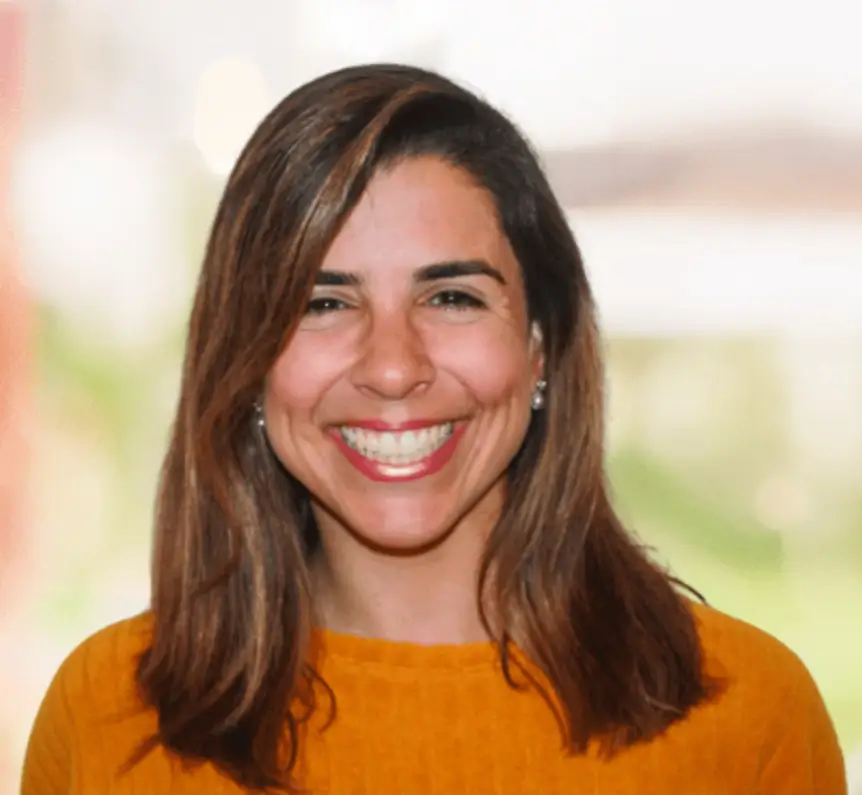
Kay Saffe, LPCC

Clinical Director

jeff swem sudrc director of operations

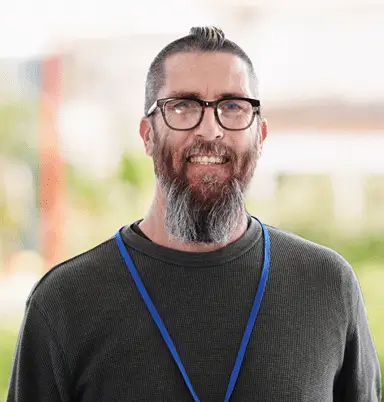
Jeff Swem, SUDRC

Director of Operations

Coastal Detox of Southern California is only a call away.

Contact Us Today for a Free Confidential Assessment and Insurance Verification.

The Power of Art Therapy in Addiction Treatment

Phil Castagnola

Case Manager

Philip was born and raised in San Diego. He grew up with parents who were functioning alcoholics /addicts. This led to adopting a faulty belief system from a very early age that using drugs and alcohol was an acceptable way to live. The belief system made it normal for him to begin using substances at the age of 15.
Philip has been a surfer his entire life and competed professionally for a few years in his 20’s. He has primarily worked in the surf industry. He eventually opened his own surf shop (Select Surf Shop) in the early 2000’s. His addiction eventually got the better of him and after losing his business and his family in 2006 he spent the next 3 years in and out of rehabs trying to recover. His substance abuse issues eventually landed him in federal prison. He used his time wisely and started working the steps of alcoholics anonymous and completing an 18-month treatment program. 
Philip was the primary caregiver for his mom who was permanently bedridden for the last 4 years. When covid hit he decided to pursue one of his goals and began going to school to become a substance abuse counselor.

After struggling with substance abuse issues for over 20 years philip now has 1 years of continuous sobriety and works a program of recovery givi4ng back to other addicts and alcoholics through sponsorship in the program of AA.

Philip studied AODS at San Diego City College and he is now completing his internship here at Coastal Detox of Southern California.

Philip’s main passion is sharing his experience, strength and hope with others who struggle with substance abuse issues. Helping others through their journey of getting and remaining free of their bondage of addiction.

Kay Saffe LPCC

Clinical Director

Kay Saffe grew up in Miami, Florida and is a first generation American with Argentinian roots. She struggled with drinking and substances, especially throughout her youth. Today, she has been in recovery for years and strives to prioritize her spiritual, mental, and physical health.

A lifelong athlete and ocean lover, she moved to San Diego to pursue a Master’s degree in counseling at the University of San Diego and progress her surfing. She has spent years working as a surf instructor and therapist, working with local non-profits that treat at risk individuals and families in English and Spanish. She incorporates a mindful and holistic approach to therapy. She is passionate about positive psychology and helping others through their recovery journey.

Jeff Swem, SUDRC

Director of Operations

Jeff was born and raised in San Diego, and spent much of his youth living blocks from where our residential housing is located.  He spent his teenage years skateboarding up and down the surrounding streets, and enjoying the Pacific Beach life in the 80’s/early 90’s. 

Jeff got to know the darker side of addiction early in life, with three near-death experiences in a row happening within a year.  He “settled down” into alcohol, and later in life became a professional brewer, but that too proved to be too cunning, baffling, and powerful a draw.  During Covid, he felt no choice but to surrender, and made the decision to get sober.  He attended a similar program to our own, and after completing the 30 days inpatient and attending IOP aftercare, he was able to forge a strong foundation of sobriety.  He has not found a reason to pick up a drink since the day that he checked into that detox.  After quitting the brewing gig (because of course, he had little choice there), he enrolled in the AODS program at City College with his sights on a new career of helping others.  Having completed the requirements involved, he went on to earn his certification in California for Substance Use Disorder Certified Counselor.

Jeff is married to his wife of nearly 25 years with a 21 year old daughter and 18 year old son, and thanks to the 12 steps, surrounding himself with a caring and supportive sober community, and coming to terms with his alcoholism, is able to lead others struggling with addiction through example and personal experience.