The Evidence-Based Approaches of Detox: A Comprehensive Guide to Achieving Sobriety

Help Is Here

Don’t wait for tomorrow to start the journey of recovery. Make that call today and take back control of your life!

"*" indicates required fields

Detoxification, often referred to as detox, is a crucial first step in the journey towards sobriety. It involves cleansing the body of harmful substances and breaking free from the grips of addiction.

While detox can be challenging, evidence-based approaches have proven to be effective in providing the necessary support and care to individuals seeking recovery. In this comprehensive guide, we will explore the different evidence-based approaches of detox and how they can help you achieve lasting sobriety.

Understanding Detox: What You Need to Know

Detoxification is the process by which the body eliminates toxic substances accumulated from drug or alcohol abuse. It is essential to undergo a supervised detox to ensure safety and mitigate withdrawal symptoms.

Evidence-based approaches of detox focus on providing holistic care and support to individuals during this crucial phase of recovery.

Medical Detox: Ensuring Safe Withdrawal

Medical detox is an evidence-based approach that involves the use of medications to help individuals safely withdraw from substances. A team of medical professionals closely monitors and assists patients throughout the detox process, ensuring their well-being.

Medications are administered to manage withdrawal symptoms and reduce discomfort, making the process more manageable. Medical detox significantly improves the safety and success rates of detoxification.

Behavioral Therapy: Addressing Underlying Issues

Detox is not just about eliminating substances from the body; it is also about addressing the underlying issues that contribute to addiction. Evidence-based behavioral therapies, such as cognitive-behavioral therapy (CBT) and dialectical behavior therapy (DBT), are crucial components of detox programs.

These therapies help individuals understand the root causes of their addiction, develop coping mechanisms, and learn healthier ways to manage stress and emotions.

Supportive Environment: Empathy and Understanding

Creating a supportive environment during detox is essential for individuals to feel heard, understood, and cared for. Evidence-based detox programs prioritize creating a compassionate and empathetic atmosphere where individuals can freely express their thoughts and emotions.

Supportive environments foster a sense of belonging, reduce feelings of isolation, and encourage individuals to remain committed to their recovery.

Evidence-Based Approaches for Effective Detox

Medication-Assisted Treatment (MAT): Combating Cravings

Medication-assisted treatment (MAT) is an evidence-based approach that combines medications with behavioral therapies. MAT is especially beneficial for individuals with opioid or alcohol addiction.

Medications such as methadone and buprenorphine help reduce cravings, manage withdrawal symptoms, and normalize brain chemistry. By incorporating medication into the detox process, MAT significantly enhances the chances of successful recovery.

Motivational Interviewing: Instilling Hope

Motivational interviewing is an evidence-based counseling approach that helps individuals resolve ambivalence towards change and instills hope in the recovery process.

This approach employs empathetic listening, non-judgmental communication, and collaborative goal-setting to evoke clients’ intrinsic motivation for change. Motivational interviewing assists individuals in overcoming the initial resistance to detox and provides them with the confidence to pursue long-term recovery.

Frequently Asked Questions about Detox

How long does detox typically last?

The duration of detox varies depending on factors such as the substance of abuse, individual physiology, and the severity of addiction. While some individuals may complete detox in a few days, others may require several weeks.

It is essential to prioritize individual needs and ensure a safe and comprehensive detox process.

Can detox be done at home?

Detox should ideally be done under medical supervision to ensure safety and mitigate potential risks. Medical professionals can closely monitor individuals, administer medications when necessary, and provide the necessary support to manage withdrawal symptoms effectively.

Are evidence-based approaches to detox more effective than other methods?

Evidence-based approaches to detox have been extensively researched and proven to be effective in promoting successful recovery. These methods combine medical intervention, behavioral therapies, and holistic care to address the physical, psychological, and emotional aspects of addiction.

Achieving Lasting Sobriety with Evidence-Based Approaches of Detox

In conclusion, evidence-based approaches of detox offer a comprehensive and effective path to recovery. Through medical detox, behavioral therapies, supportive environments, medication-assisted treatment, and motivational interviewing, individuals can overcome addiction and achieve lasting sobriety.

It is crucial to seek professional help and access evidence-based detox programs that provide the necessary care, support, and treatment to ensure a successful journey towards a healthier and happier life.


More To Explore

April is Alcohol Awareness Month in San Diego

April is Alcohol Awareness Month: Understanding and Acting in San Diego

April marks Alcohol Awareness Month, an annual public health observance dedicated to raising awareness about alcohol-related issues, promoting responsible choices, and encouraging

12-step meditation to find your Higher Power

Healthy vs Unhealthy Coping Mechanisms in Addiction Recovery

Addiction recovery is not just about quitting drugs or alcohol; it’s about learning a completely new way to live and manage life’s

addiction intervention services

Are Addiction Interventions Effective? A Guide for Families

When a loved one is struggling with addiction, the pain and frustration can feel overwhelming. You might feel helpless, unsure of the

Meet Our Team

Coastal Detox of Southern California is composed of an entire team of highly trained substance abuse professionals in recovery.
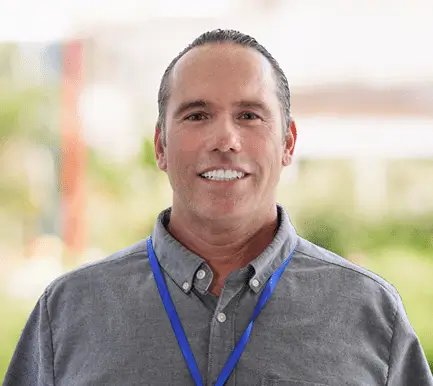
phil castagnola surdrc program director

Phil Castagnola, SUDRC

Program Director

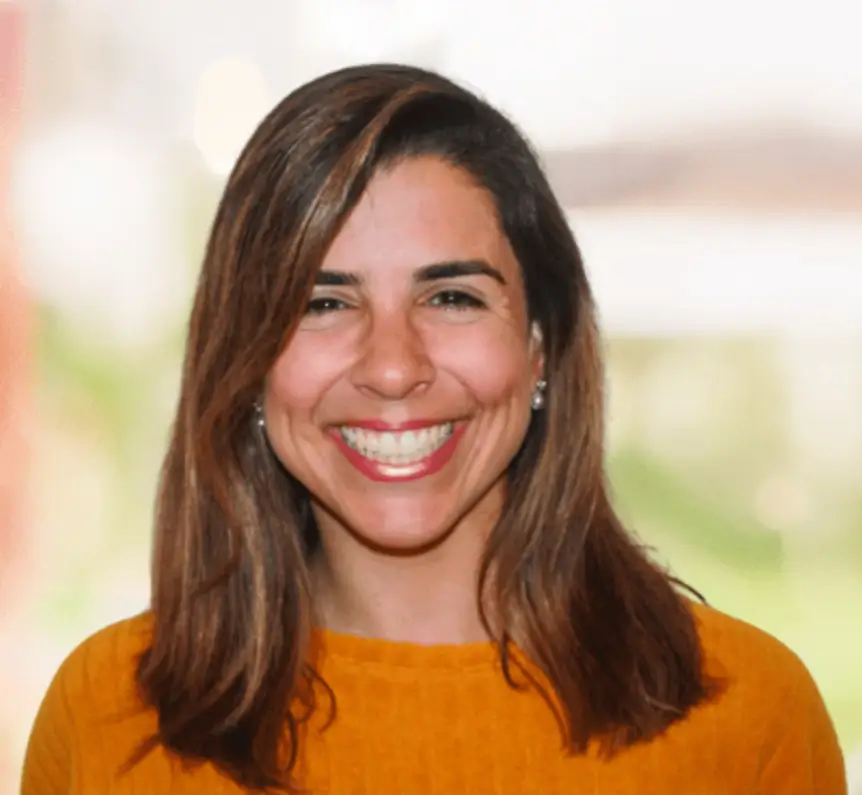
kay saffe lpcc clinical director

Kay Saffe, LPCC

Clinical Director

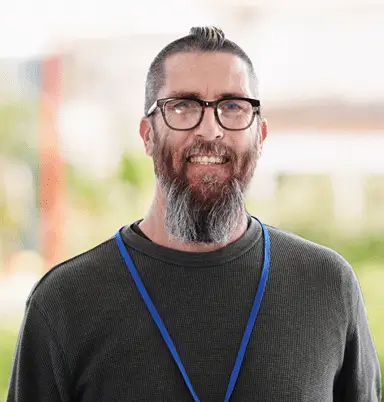
jeff swem sudrc director of operations

Jeff Swem, SUDRC

Director of Operations

Coastal Detox of Southern California is only a call away.

Contact Us Today for a Free Confidential Assessment and Insurance Verification.

The Evidence-Based Approaches of Detox: A Comprehensive Guide to Achieving Sobriety

Phil Castagnola

Case Manager

Philip was born and raised in San Diego. He grew up with parents who were functioning alcoholics /addicts. This led to adopting a faulty belief system from a very early age that using drugs and alcohol was an acceptable way to live. The belief system made it normal for him to begin using substances at the age of 15.
Philip has been a surfer his entire life and competed professionally for a few years in his 20’s. He has primarily worked in the surf industry. He eventually opened his own surf shop (Select Surf Shop) in the early 2000’s. His addiction eventually got the better of him and after losing his business and his family in 2006 he spent the next 3 years in and out of rehabs trying to recover. His substance abuse issues eventually landed him in federal prison. He used his time wisely and started working the steps of alcoholics anonymous and completing an 18-month treatment program. 
Philip was the primary caregiver for his mom who was permanently bedridden for the last 4 years. When covid hit he decided to pursue one of his goals and began going to school to become a substance abuse counselor.

After struggling with substance abuse issues for over 20 years philip now has 1 years of continuous sobriety and works a program of recovery givi4ng back to other addicts and alcoholics through sponsorship in the program of AA.

Philip studied AODS at San Diego City College and he is now completing his internship here at Coastal Detox of Southern California.

Philip’s main passion is sharing his experience, strength and hope with others who struggle with substance abuse issues. Helping others through their journey of getting and remaining free of their bondage of addiction.

Kay Saffe LPCC

Clinical Director

Kay Saffe grew up in Miami, Florida and is a first generation American with Argentinian roots. She struggled with drinking and substances, especially throughout her youth. Today, she has been in recovery for years and strives to prioritize her spiritual, mental, and physical health.

A lifelong athlete and ocean lover, she moved to San Diego to pursue a Master’s degree in counseling at the University of San Diego and progress her surfing. She has spent years working as a surf instructor and therapist, working with local non-profits that treat at risk individuals and families in English and Spanish. She incorporates a mindful and holistic approach to therapy. She is passionate about positive psychology and helping others through their recovery journey.

Jeff Swem, SUDRC

Director of Operations

Jeff was born and raised in San Diego, and spent much of his youth living blocks from where our residential housing is located.  He spent his teenage years skateboarding up and down the surrounding streets, and enjoying the Pacific Beach life in the 80’s/early 90’s. 

Jeff got to know the darker side of addiction early in life, with three near-death experiences in a row happening within a year.  He “settled down” into alcohol, and later in life became a professional brewer, but that too proved to be too cunning, baffling, and powerful a draw.  During Covid, he felt no choice but to surrender, and made the decision to get sober.  He attended a similar program to our own, and after completing the 30 days inpatient and attending IOP aftercare, he was able to forge a strong foundation of sobriety.  He has not found a reason to pick up a drink since the day that he checked into that detox.  After quitting the brewing gig (because of course, he had little choice there), he enrolled in the AODS program at City College with his sights on a new career of helping others.  Having completed the requirements involved, he went on to earn his certification in California for Substance Use Disorder Certified Counselor.

Jeff is married to his wife of nearly 25 years with a 21 year old daughter and 18 year old son, and thanks to the 12 steps, surrounding himself with a caring and supportive sober community, and coming to terms with his alcoholism, is able to lead others struggling with addiction through example and personal experience.