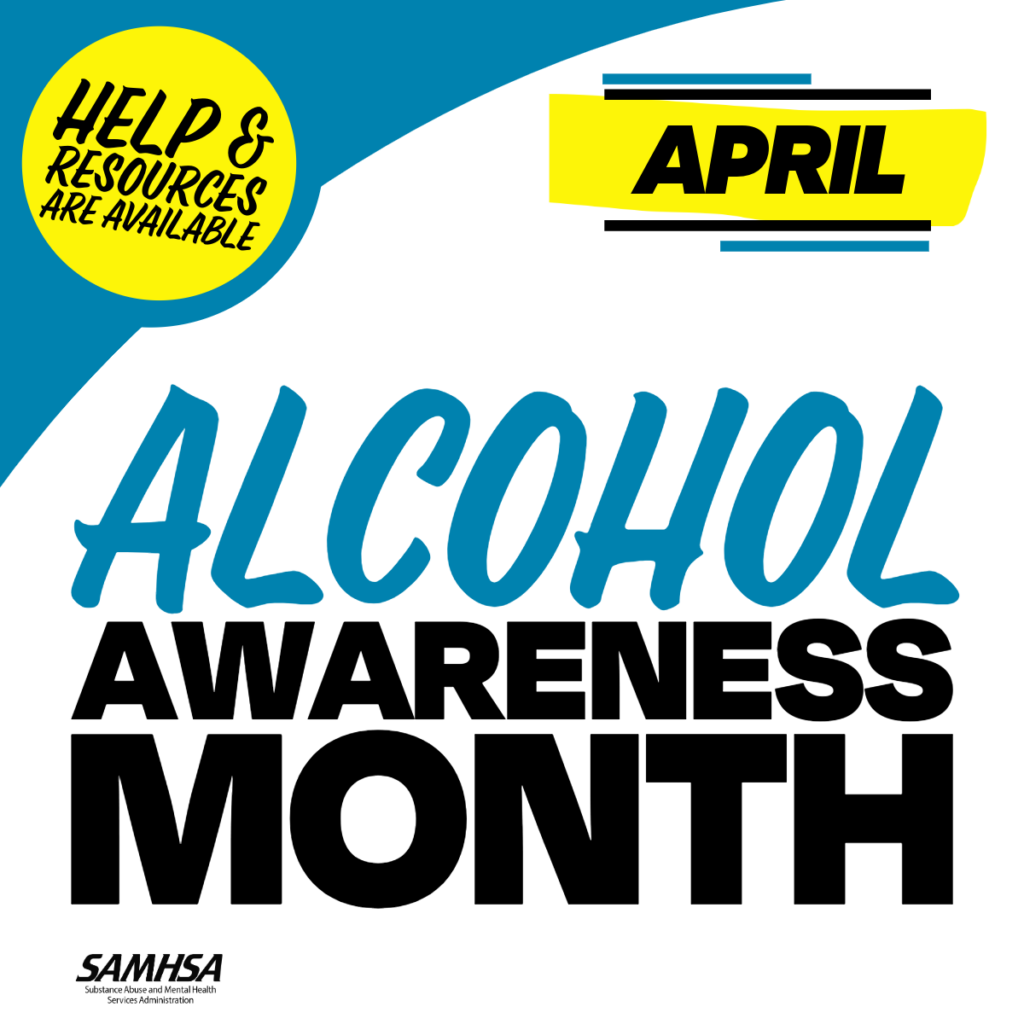
April marks Alcohol Awareness Month, an annual public health observance dedicated to raising awareness about alcohol-related issues, promoting responsible choices, and encouraging individuals and families to seek help for alcohol use disorder (AUD).
In the vibrant and diverse community of San Diego, there are numerous groups, events, and ways to support people struggling with AUD right here at home.
Key Messages for Alcohol Awareness Month
This month focuses on several critical areas:
- Understanding Alcohol Use Disorder (AUD): AUD, or alcoholism, is a medical condition characterized by an impaired ability to stop or control alcohol use despite adverse social, occupational, or health consequences. It is a treatable brain disorder, not a moral failing.
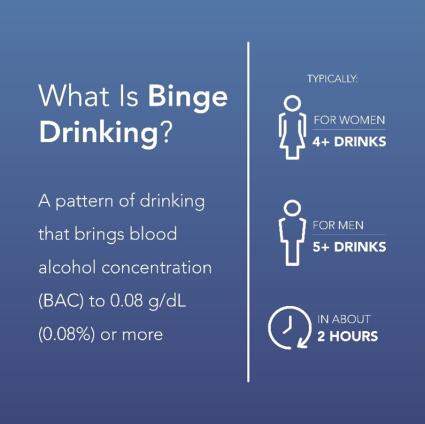
- The Impact of Binge Drinking: Binge drinking is defined as a pattern of drinking that brings blood alcohol concentration (BAC) levels to 0.08 g/dL or higher. For men, this typically means consuming 5 or more drinks, and for women, 4 or more drinks, in about two hours. It poses significant health and safety risks.
- Encouraging Honest Conversations: Alcohol Awareness Month is a perfect time for parents, educators, and community leaders to discuss the risks of underage drinking and the dangers of impaired driving.
- Promoting Treatment and Recovery: Recovery is possible. The month emphasizes that help is available and encourages those struggling to reach out for professional support.
The Far-Reaching Impact of Alcohol Abuse
Alcohol abuse is not just an individual issue. The consequences of AUD ripple outward, causing significant harm to families, loved ones, and the broader San Diego community. Understanding this collective impact underscores the urgency of supporting Alcohol Awareness Month.
Impact on Individuals
For the person struggling with AUD, the damage is severe and multi-faceted:
- Health Deterioration: Long-term excessive drinking can lead to serious, often irreversible, health problems including liver disease (cirrhosis), reduced kidney function, heart disease, stroke, various cancers (mouth, throat, esophagus, liver, breast), and weakened immune function.
- Mental Health Decline: AUD frequently co-occurs with mental health conditions like depression, anxiety disorders, and suicidal ideation, creating a cycle of worsening symptoms.
- Safety Risks: Impaired judgment drastically increases the risk of accidents, injuries, and fatalities, including drunk driving, falls, and violence.
Impact on Families and Loved Ones
The family unit is often deeply affected by a loved one’s alcohol abuse:
- Financial Strain: Alcohol use disorder can lead to job loss, decreased productivity, and substantial financial burdens from medical bills and treatment costs.
- Emotional Trauma: Family members, particularly children, experience chronic stress, anxiety, and emotional neglect. This often results in damaged relationships, marital conflict, and an increased risk of developing their own behavioral or mental health issues.
- Safety and Instability: In some cases, alcohol abuse contributes to domestic violence and creates an unpredictable, unsafe home environment.
Impact on the San Diego Community
When viewed collectively, the costs of alcohol abuse to the San Diego region are staggering:
- Public Safety: Alcohol-related incidents strain local law enforcement, emergency services, and hospitals. This includes responding to DUIs, public disturbances, and alcohol-fueled emergency room visits.
- Economic Cost: Beyond direct healthcare expenses, the community bears the cost of lost workplace productivity, crime, and the resources required for the judicial system to process alcohol-related offenses.
- Health Equity: The harms of alcohol addiction disproportionately affect vulnerable populations, exacerbating existing health disparities and social inequalities within the county.
Supporting Alcohol Awareness Month in San Diego is essential because the well-being of the individual, the family, and the entire community are inextricably linked. By raising awareness, promoting prevention, and supporting accessible treatment, San Diego can collectively reduce these far-reaching harms, creating a healthier, safer, and more resilient city for everyone.
Alcohol Resources in San Diego
If you or a loved one in the San Diego area is struggling with alcohol use, several local and regional resources can provide immediate help, ongoing treatment, and support.
1. San Diego County Behavioral Health Services (BHS)
BHS is the central access point for mental health and substance use disorder services funded by the County of San Diego.
- Access and Crisis Line: 1-888-724-7240
- A 24/7, confidential resource for immediate support, crisis intervention, and referrals to local mental health and substance use disorder services.
- BHS Service Locator: An online tool to find County-funded treatment programs, including residential, outpatient, and detoxification services across the county.
2. Local Treatment and Support Centers
San Diego and the surrounding Southern California area have numerous facilities offering evidence-based treatment options:
- Windansea Recovery: Offers tailored residential and outpatient treatment programs with a focus on holistic wellness and movement.
- Bayview Recovery: A men-only addiction treatment center offering detox and outpatient levels of care, including partial hospitalization and intensive outpatient programs.
- Carlsbad Beach Recovery: A dedicated outpatient provider that focuses on holistic healing and evidence-based therapeutic modalities in a serene, coastal setting.
- Coastal Detox of Southern California: Provides comprehensive medical detox and residential inpatient services with 24/7 medical supervision, evidence-based therapies, holistic wellness activities, and a focus on individualized care.
3. Community-Based Support Groups
Connecting with peers in recovery is a cornerstone of long-term sobriety.
- Alcoholics Anonymous (AA): This free, self-help program utilizes the 12-Steps for recovery from alcoholism. There are hundreds of daily meetings across San Diego County, both in-person and virtual.
- Al-Anon/Alateen: Support groups for family members and friends whose lives have been affected by someone else’s drinking.
- SMART Recovery: A non-12-step support group for alcoholism. SMART Recovery is a science-based program that helps people recover from addictive behaviors.
Taking Action This April
There are plenty of ways, both large and small, to make an impact this Alcohol Awareness Month. Whether you struggle with alcohol use yourself, or have alcoholism in your family or friend group, or want to support members of your larger community in a meaningful way, there are numerous options to get involved.
- Host an Event: Organize a sober social gathering or informational session in your neighborhood, workplace, or place of worship.
- Plan Sober Activities: Have a friend or family member in recovery? This is a great excuse to grab a coffee, visit a museum, go for a hike (the wildflowers are in bloom!), or ride bikes along the boardwalk.
- Check-in with Loved Ones: Use this month as an opportunity to have an open, non-judgmental conversation with a friend or family member about their drinking habits.
- Review Your Own Habits: Take the “Rethinking Drinking” assessment tool provided by the National Institute on Alcohol Abuse and Alcoholism (NIAAA) to understand your own relationship with alcohol.
- Support Local Efforts: Volunteer or donate to a local San Diego non-profit focused on prevention or recovery, like We See You San Diego, which hosts weekly dinners and community gatherings for people who are currently unhoused.
Let us use Alcohol Awareness Month to foster a culture of health, support, and informed decision-making across San Diego. If you need help, please remember that you are not alone, and resources are readily available.
For more information, visit the Substance Abuse and Mental Health Services Administration (SAMHSA) or call their national helpline at 1-800-662-4357(HELP).
To start your same-day admissions process, check your insurance, or learn more about treatment options at Coastal Detox of Southern California, call our admissions team at 858-333-7396.