Understanding Addiction and Neuroplasticity: A Comprehensive Guide

Help Is Here

Don’t wait for tomorrow to start the journey of recovery. Make that call today and take back control of your life!

"*" indicates required fields

In recent years, the intersection of addiction and neuroplasticity has become a focal point in understanding how addiction affects the brain and its potential for recovery. This blog post delves into the intricate relationship between addiction and neuroplasticity, exploring how the brain adapts to addiction and the implications for treatment and recovery.

What is Neuroplasticity?

Neuroplasticity, often referred to as brain plasticity, is the brain’s ability to reorganize itself by forming new neural connections throughout life. This phenomenon plays a crucial role in learning, memory, and recovery from injuries. In the context of addiction, neuroplasticity becomes a pivotal factor in both the development and treatment of addictive behaviors.

Addiction and the Brain: The Neurobiology

Addiction is characterized by compulsive drug-seeking and use despite harmful consequences. It fundamentally alters the brain’s structure and function, particularly affecting areas involved in reward, motivation, learning, and memory. Key neurotransmitters such as dopamine, serotonin, and glutamate play significant roles in reinforcing addictive behaviors.

  • Dopamine and Reward Pathways: Addiction hijacks the brain’s reward system, causing heightened dopamine release in response to substances or behaviors, reinforcing the addictive cycle.
  • Neurotransmitter Imbalance: Imbalances in neurotransmitters like serotonin and glutamate contribute to cravings, withdrawal symptoms, and difficulty controlling impulses.

Neuroplasticity in Addiction: Adapting to Change

Despite the profound impact of addiction on the brain, neuroplasticity offers hope for recovery. Research indicates that the brain can undergo structural and functional changes in response to treatment interventions and behavioral modifications.

  • Rewiring Neural Circuits: Through targeted therapies and interventions, neuroplasticity allows for the rewiring of neural circuits associated with addictive behaviors.
  • Cognitive Behavioral Therapy (CBT): Utilizes neuroplasticity principles to restructure thought patterns and responses to triggers, promoting long-term sobriety.
  • Mindfulness and Meditation: Practices that enhance neuroplasticity, aiding in emotional regulation and reducing cravings.

Treatment Approaches Leveraging Neuroplasticity

Effective addiction treatment integrates neuroplasticity-focused strategies to facilitate recovery and prevent relapse. Personalized treatment plans often include:

  • Medication-Assisted Treatment (MAT): Combines medications to reduce cravings with behavioral therapies to retrain neural pathways.
  • Neurofeedback Therapy: Uses real-time monitoring of brain activity to teach self-regulation, promoting healthier neural connections.
  • Physical Exercise and Nutrition: Enhance neuroplasticity and overall brain health, supporting recovery outcomes.

FAQs About Addiction and Neuroplasticity

Can neuroplasticity help in overcoming severe addictions? 

Yes, neuroplasticity-based therapies have shown promise in treating even severe addictions by reshaping brain function and behavior over time.

How long does it take for the brain to recover from addiction? 

Neuroplasticity varies among individuals, but significant improvements in brain function can occur with sustained abstinence and targeted therapies.

What role does stress play in neuroplasticity during addiction recovery? 

Chronic stress can hinder neuroplasticity, emphasizing the importance of stress management in recovery programs.

The Role of Coastal Detox of Southern California

Located in the heart of San Diego, Coastal Detox of Southern California is a leading addiction treatment facility specializing in evidence-based therapies that harness neuroplasticity for effective recovery. Their holistic approach combines medical expertise with compassionate care to support individuals on their journey to sobriety.

Whether you or a loved one are grappling with addiction, understanding the profound relationship between addiction and neuroplasticity is crucial. By leveraging the brain’s ability to adapt and change, recovery becomes not just a possibility but a tangible reality.

In conclusion, addiction and neuroplasticity are intricately linked, offering new insights into effective treatment strategies. With ongoing research and innovative therapies, the future holds promise for improved outcomes in addiction recovery. Discover how Coastal Detox of Southern California can provide the support and resources needed to embark on a path towards lasting sobriety.


More To Explore

delirium tremens from alcohol

What Is Delirium Tremens?

Delirium tremens (DTs) is a dangerous and life-threatening condition caused by alcohol withdrawal. It is a medical emergency that demands immediate, intensive

April is Alcohol Awareness Month in San Diego

April is Alcohol Awareness Month: Understanding and Acting in San Diego

April marks Alcohol Awareness Month, an annual public health observance dedicated to raising awareness about alcohol-related issues, promoting responsible choices, and encouraging

12-step meditation to find your Higher Power

Healthy vs Unhealthy Coping Mechanisms in Addiction Recovery

Addiction recovery is not just about quitting drugs or alcohol; it’s about learning a completely new way to live and manage life’s

Meet Our Team

Coastal Detox of Southern California is composed of an entire team of highly trained substance abuse professionals in recovery.
phil castagnola surdrc program director

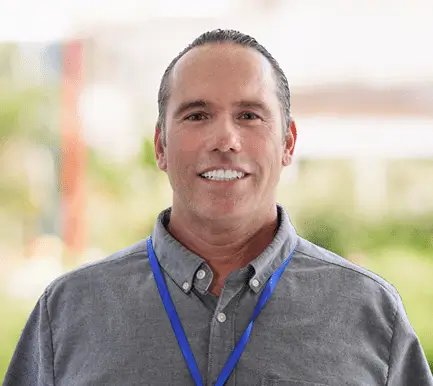
Phil Castagnola, SUDRC

Program Director

kay saffe lpcc clinical director

Kay Saffe, LPCC

Clinical Director

jeff swem sudrc director of operations

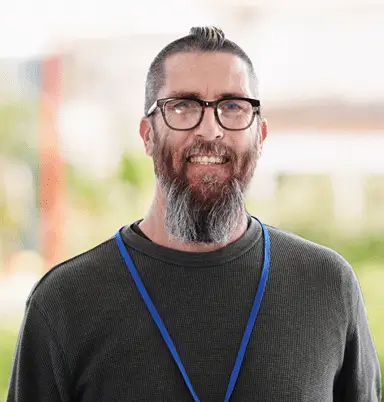
Jeff Swem, SUDRC

Director of Operations

Coastal Detox of Southern California is only a call away.

Contact Us Today for a Free Confidential Assessment and Insurance Verification.

Understanding Addiction and Neuroplasticity: A Comprehensive Guide

Phil Castagnola

Case Manager

Philip was born and raised in San Diego. He grew up with parents who were functioning alcoholics /addicts. This led to adopting a faulty belief system from a very early age that using drugs and alcohol was an acceptable way to live. The belief system made it normal for him to begin using substances at the age of 15.
Philip has been a surfer his entire life and competed professionally for a few years in his 20’s. He has primarily worked in the surf industry. He eventually opened his own surf shop (Select Surf Shop) in the early 2000’s. His addiction eventually got the better of him and after losing his business and his family in 2006 he spent the next 3 years in and out of rehabs trying to recover. His substance abuse issues eventually landed him in federal prison. He used his time wisely and started working the steps of alcoholics anonymous and completing an 18-month treatment program. 
Philip was the primary caregiver for his mom who was permanently bedridden for the last 4 years. When covid hit he decided to pursue one of his goals and began going to school to become a substance abuse counselor.

After struggling with substance abuse issues for over 20 years philip now has 1 years of continuous sobriety and works a program of recovery givi4ng back to other addicts and alcoholics through sponsorship in the program of AA.

Philip studied AODS at San Diego City College and he is now completing his internship here at Coastal Detox of Southern California.

Philip’s main passion is sharing his experience, strength and hope with others who struggle with substance abuse issues. Helping others through their journey of getting and remaining free of their bondage of addiction.

Kay Saffe LPCC

Clinical Director

Kay Saffe grew up in Miami, Florida and is a first generation American with Argentinian roots. She struggled with drinking and substances, especially throughout her youth. Today, she has been in recovery for years and strives to prioritize her spiritual, mental, and physical health.

A lifelong athlete and ocean lover, she moved to San Diego to pursue a Master’s degree in counseling at the University of San Diego and progress her surfing. She has spent years working as a surf instructor and therapist, working with local non-profits that treat at risk individuals and families in English and Spanish. She incorporates a mindful and holistic approach to therapy. She is passionate about positive psychology and helping others through their recovery journey.

Jeff Swem, SUDRC

Director of Operations

Jeff was born and raised in San Diego, and spent much of his youth living blocks from where our residential housing is located.  He spent his teenage years skateboarding up and down the surrounding streets, and enjoying the Pacific Beach life in the 80’s/early 90’s. 

Jeff got to know the darker side of addiction early in life, with three near-death experiences in a row happening within a year.  He “settled down” into alcohol, and later in life became a professional brewer, but that too proved to be too cunning, baffling, and powerful a draw.  During Covid, he felt no choice but to surrender, and made the decision to get sober.  He attended a similar program to our own, and after completing the 30 days inpatient and attending IOP aftercare, he was able to forge a strong foundation of sobriety.  He has not found a reason to pick up a drink since the day that he checked into that detox.  After quitting the brewing gig (because of course, he had little choice there), he enrolled in the AODS program at City College with his sights on a new career of helping others.  Having completed the requirements involved, he went on to earn his certification in California for Substance Use Disorder Certified Counselor.

Jeff is married to his wife of nearly 25 years with a 21 year old daughter and 18 year old son, and thanks to the 12 steps, surrounding himself with a caring and supportive sober community, and coming to terms with his alcoholism, is able to lead others struggling with addiction through example and personal experience.