
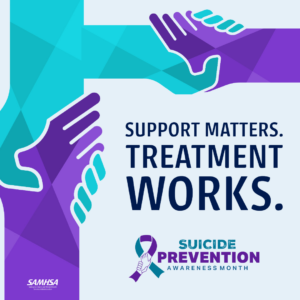
Every September, communities across the nation observe Suicide Prevention Awareness Month, with World Suicide Prevention Day taking place on September 10. This dedicated time serves as a reminder that suicide impacts individuals, families, and entire communities—yet it is also preventable.
By talking openly and responsibly about mental health and suicide, we can dismantle the surrounding stigma and connect those in distress with life-saving care. For people experiencing substance use disorders, understanding suicide risk factors is especially critical, as addiction and mental health challenges frequently intersect. Help, hope, and evidence-based treatment are always available.
| Immediate Crisis Support |
|---|
| If you or someone you know is in immediate danger or experiencing a mental health or suicide crisis, call or text 988 to reach the 988 Suicide & Crisis Lifeline. Support is free, confidential, and available 24/7. The Substance Abuse and Mental Health Services Administration (SAMHSA) emphasizes that you do not have to wait until you are in a full-blown crisis to contact 988. If you are feeling overwhelmed, hopeless, or distressed, reach out. If there is immediate physical danger, please call 911 or go to the nearest hospital emergency department immediately. |
What Is Suicide Prevention Awareness Month?
Suicide Prevention Awareness Month is observed every September to raise public awareness, reduce societal stigma, encourage compassionate conversations, and connect people with proper mental health support.
Effective prevention extends far beyond emergency crisis intervention. Building meaningful human connections, fostering safe dialogue, and recognizing emotional distress early are essential components of saving lives.
The Substance Abuse and Mental Health Services Administration’s (SAMHSA’s) current suicide prevention campaign theme highlights “Stronger Together: Connect. Support. Prevent.” This message underscores that suicide prevention is a collective responsibility. When friends, family members, healthcare providers, and community organizations unite to offer support, we create a stronger safety net for individuals in need.
Why Suicide Prevention Awareness Matters
Public stigma often prevents people from reaching out when they need help the most. Many who suffer from suicidal thoughts suffer in silence out of fear of judgment, shame, or misunderstanding.
- Early Detection: Friends and family members are frequently the first to notice subtle changes in mood or behavior before a person seeks professional help.
- Empowered Communities: Understanding warning signs and knowing available crisis resources empowers everyday individuals to intervene effectively.
- Comprehensive Impact: True prevention involves a collaborative effort among individuals, families, primary healthcare providers, and behavioral health communities.
When Is World Suicide Prevention Day?
World Suicide Prevention Day is observed every year on September 10.
Established in 2003 by the International Association for Suicide Prevention (IASP) in collaboration with the World Health Organization (WHO), this global day aims to focus attention on the issue, reduce stigma, and convey a singular message: suicide can be prevented.
What Is the 2026 World Suicide Prevention Day Theme?
The theme for World Suicide Prevention Day is “Changing the Narrative on Suicide.” In practical terms, changing the narrative means shifting how we approach and discuss this complex issue:
- Open and Responsible Dialogue: Encouraging honest conversations about mental health while adhering to safe communication guidelines.
- Challenging Stigma: Replacing judgment and taboos with empathy, compassion, and understanding.
- Facilitating Help-Seeking: Making it easier and safer for people to ask for support without fear of professional or social repercussions.
- Active Listening: Offering non-judgmental support when someone opens up about their pain.
- Direct Connection: Helping individuals navigate their way to professional care and evidence-based treatment.
IASP notes that 2026 marks the final year of this impactful three-year campaign theme before a new global directive begins in 2027.
Understanding the Connection Between Suicide and Substance Use
The relationship between substance use disorders and suicide risk is significant. While substance use does not automatically mean a person is suicidal, addiction can substantially increase vulnerability to emotional distress and self-harm.
Substance misuse and suicide risk intersect in several key ways:
- Exacerbation of Mental Distress: Heavy alcohol and drug use can worsen pre-existing symptoms of depression, anxiety, and emotional instability.
- Impaired Judgment and Disinhibition: Acute intoxication can alter brain chemistry, lower inhibitions, increase impulsivity, and impair logical judgment.
- Severe Withdrawal Distress: The physical and psychological distress experienced during substance withdrawal can cause overwhelming anxiety, agitation, and feelings of despair.
- Maladaptive Coping: Many people turn to alcohol or drugs to self-medicate unresolved trauma, depression, or emotional pain, which ultimately worsens psychological health over time.
- Increased Vulnerability: People living with substance use disorders are significantly more likely to experience co-occurring mental health conditions that elevate suicide risk.
Why Co-Occurring Mental Health Conditions Matter
When a substance use disorder exists alongside a psychiatric condition, it is clinically referred to as a dual diagnosis or co-occurring disorder. Treating both conditions concurrently is crucial for achieving safety, emotional stability, and long-term recovery.
Common co-occurring conditions that can increase suicide risk include:
- Major Depressive Disorder and Mood Disorders: Persistent feelings of sadness, hopelessness, and loss of purpose.
- Anxiety Disorders and Panic Conditions: Chronic, debilitating worry, racing thoughts, or panic attacks.
- Post-Traumatic Stress Disorder (PTSD) & Trauma: Flashbacks, hypervigilance, and painful memories related to past physical or emotional trauma.
- Bipolar Disorder: Extreme mood shifts between manic highs and severe depressive lows.
To support lasting wellness, comprehensive care must address the whole person rather than treating addiction in isolation. Learn more about integrated dual diagnosis care and specialized evidence-based therapies at Coastal Detox.
Suicide Risk Factors and Warning Signs
Recognizing potential risk factors and behavioral warning signs is one of the most effective ways to prevent suicide.
Common Suicide Risk Factors
Risk factors are personal, environmental, or biological characteristics that may increase the likelihood of suicidal behavior. Risk factors do not act as a definitive checklist or prediction of suicide, but they do signal that a person may need additional emotional support:
- Previous suicide attempts
- Underlying mental health conditions (e.g., depression, bipolar disorder)
- Active substance use disorder or addiction
- Major personal loss, grief, or sudden life disruptions
- Social isolation and lack of a supportive network
- Chronic physical pain, serious medical illness, or disability
- History of severe physical, sexual, or emotional trauma
- Severe relationship difficulties, divorce, or family conflict
- Significant financial, legal, or occupational stress
- Unrestricted access to lethal means
Warning Signs That Someone May Need Help
Warning signs indicate an immediate or near-term concern. If you observe any of the following behaviors in a loved one, take action to help them connect with care:
- Expressing feelings of hopelessness, feeling trapped, or having no reason to live
- Talking or writing about wanting to die, self-harm, or feeling like a burden to others
- Withdrawing from family, friends, social activities, and community
- Displaying extreme, dramatic mood swings or sudden, unexpected calm after deep depression
- Giving away prized personal possessions or making sudden legal preparations
- Saying unusual or final goodbyes to friends and family
- Significantly increasing alcohol or drug consumption
- Engaging in reckless, dangerous, or self-destructive behaviors
- Searching online for ways to die or accessing lethal means
For detailed guidance on risk assessment, visit authoritative resources such as the Substance Abuse and Mental Health Services Administration (SAMHSA) or the American Foundation for Suicide Prevention (AFSP).
How to Talk to Someone You Are Worried About
Starting a conversation about suicide can feel daunting, but asking directly and showing genuine care can save a life.
Start the Conversation
- Choose the Right Setting: Select a quiet, private, and calm space free from interruptions.
- Be Direct: Ask clear questions. For example: “I’ve noticed you’ve been going through a tough time lately. Are you thinking about suicide?”
- Listen Without Judgment: Allow them to share their feelings completely. Validate their pain without dismissing their feelings.
- Take Statements Seriously: Never assume someone is merely “seeking attention” if they express suicidal thoughts.
- Encourage Professional Help: Offer to assist them in connecting with a doctor, counselor, or crisis line.
- Stay Present: If they are in acute distress, stay with them or remain on the phone while connecting them to emergency support.
What Not to Say
When supporting someone in distress, avoid well-intentioned phrases that may inadvertently invalidate their feelings:
- “You have so much to live for.”
- “Other people have it much worse than you.”
- “You don’t really mean that, do you?”
- “You just need to think positively.”
- “Why don’t you just stop using drugs?”
Instead, focus on non-judgmental listening and helping them access clinical support.
What to Do If Someone Is in Immediate Crisis
If a loved one is in acute psychological distress or actively considering suicide, swift action is essential.
Call or Text 988
The 988 Suicide & Crisis Lifeline offers free, confidential support 24/7 across the United States. You can call, text, or chat online at 988lifeline.org. SAMHSA notes that 988 is available for anyone experiencing distress, anxiety, or mental health struggles—you do not need to be in a life-threatening emergency to seek help.
When to Call 911 or Go to an Emergency Department
If a person has actively harmed themselves, possesses immediate lethal means, or presents an immediate physical danger to themselves or others, call 911 or take them to the nearest emergency room immediately. Inform the dispatcher if it is a mental health or psychiatric emergency so appropriate crisis responders can be deployed.
Don’t Leave Someone Alone During an Immediate Crisis
If someone is in immediate danger, do not leave them unmonitored. Remove potential lethal means (such as medications or weapons) from the immediate area if it is safe to do so, stay calm, and remain by their side until professional crisis support arrives.
How Addiction Treatment Can Support Suicide Prevention
While substance abuse treatment centers are not emergency psychiatric crisis facilities, comprehensive addiction treatment plays a vital role in addressing the long-term underlying causes of emotional instability and substance-related harm.
Residential addiction treatment supports overall stability through:
- Medical Detoxification: Safely managing acute withdrawal under 24/7 physician oversight to stabilize physical health.
- Psychiatric Assessment: Conducting thorough assessments to identify underlying mental health conditions.
- Evidence-Based Psychotherapy: Utilizing Cognitive Behavioral Therapy (CBT) and Dialectical Behavior Therapy (DBT) to teach distress tolerance and emotional regulation.
- Trauma-Informed Care: Providing safe therapeutic spaces to process underlying trauma and PTSD.
- Family Therapy Programs: Rebuilding supportive family structures and improving healthy communication.
- Relapse Prevention and Aftercare Planning: Crafting long-term care plans to ensure continued recovery and ongoing support.
Treating Substance Use and Mental Health Together
Attempting to treat a substance use disorder while ignoring co-occurring mental health conditions significantly increases the risk of relapse and continued emotional distress. Comprehensive dual diagnosis programs address both conditions concurrently, providing patients with the emotional resilience needed for lasting health.
Why Detox Alone May Not Be Enough
Medical detox is a critical initial step to safely manage physical withdrawal, but detox alone does not address the emotional, psychological, or behavioral aspects of addiction. Lasting stability requires transitioning from detox into an individualized residential treatment program followed by structured continuing care.
How Families and Loved Ones Can Support Someone in Recovery
Families play a powerful role in a loved one’s healing journey. You can support someone in recovery by:
- Staying Connected: Offering consistent, non-judgmental love and companionship.
- Reducing Shame and Stigma: Reframing addiction and mental health as medical conditions requiring treatment.
- Encouraging Treatment: Supporting their decision to seek professional care and attend therapy sessions.
- Educating Yourself: Learning about addiction, triggers, and mental health management.
- Supporting Healthy Routines: Promoting proper sleep, nutrition, exercise, and mindfulness practices.
- Monitoring Behavioral Changes: Recognizing warning signs of emotional decline or potential relapse.
- Maintaining Boundaries: Establishing healthy personal boundaries that protect your well-being while avoiding enabling behaviors.
- Knowing Emergency Contacts: Keeping crisis numbers like 988 readily accessible.
Suicide Prevention Resources in San Diego
If you reside in Southern California, local behavioral health networks work alongside national resources to support community health.
988 Suicide & Crisis Lifeline
Available nationwide, including San Diego County. Call or text 988 for immediate, 24/7 crisis counseling and referral services.
Emergency Mental Health Support
For immediate life-threatening physical emergencies or acute safety concerns in San Diego, call 911 or visit emergency departments such as UC San Diego Health, Scripps Health, or Sharp HealthCare.
Local Behavioral Health and Addiction Treatment
For people whose drug or alcohol use is causing emotional distress or instability, San Diego offers many licensed treatment providers. Providers like Coastal Detox deliver specialized residential detox and rehab programs to help individuals regain physical health, emotional balance, and long-term sobriety. Browse all provider options at San Diego County Behavioral Health Services website.
Suicide Prevention Is a Year-Round Conversation
While September highlights suicide awareness, suicide prevention requires a year-round commitment. By maintaining open lines of communication, fostering human connection, encouraging early clinical intervention, and supporting comprehensive dual diagnosis care, we can work together to save lives.
As emphasized in national public health campaigns, connection, crisis support, evidence-based treatment, and recovery are the pillars of long-term healing.
Take the Next Step Toward Recovery
If substance use is affecting your mental health, personal relationships, or ability to manage daily life, you do not have to navigate this journey alone. Coastal Detox of Southern California offers compassionate, individualized care in Pacific Beach for adults seeking to overcome drug or alcohol addiction and rebuild their lives.
Explore Coastal Detox & Treatment Options | Call Our Admissions Team Today: 858-333-7396