Holistic Approaches to Addiction Recovery: Integrating Mind, Body, and Spirit

Help Is Here

Don’t wait for tomorrow to start the journey of recovery. Make that call today and take back control of your life!

"*" indicates required fields

Addiction is a multifaceted issue that affects the mind, body, and spirit. Traditional methods of addiction recovery often focus on detox and abstinence, but holistic approaches offer a comprehensive path to healing by integrating mental, physical, and spiritual practices. In this blog post, we’ll explore holistic approaches to addiction recovery and how they can foster long-lasting wellness.

What is Holistic Addiction Recovery?

Holistic addiction recovery considers the whole person, not just the addiction. It acknowledges that addiction impacts various aspects of an individual’s life and seeks to address these areas comprehensively. Holistic methods include therapies and practices that promote physical health, mental clarity, and spiritual well-being.

Benefits of Holistic Approaches to Addiction Recovery

  • Comprehensive Healing: Targets underlying issues and not just the symptoms of addiction.
  • Personalized Treatment: Offers customizable approaches tailored to individual needs.
  • Improved Mental Health: Integrates mental health care, reducing the risk of relapse.
  • Enhanced Physical Health: Encourages a healthy lifestyle, improving overall wellness.
  • Spiritual Growth: Helps individuals find meaning and purpose beyond their addiction.

Integrating Mind, Body, and Spirit in Addiction Recovery

1. Mind: Psychological and Emotional Healing

Addiction often stems from emotional and psychological pain. Addressing these areas is crucial for sustainable recovery.

Therapies for the Mind:

  • Cognitive Behavioral Therapy (CBT): Helps individuals recognize and change destructive thought patterns.
  • Mindfulness and Meditation: Reduces stress and promotes emotional balance.
  • Art and Music Therapy: Allows for the expression of emotions that may be difficult to verbalize.
  • Group Therapy: Provides a sense of community and shared experiences.

Questions to Consider:

  • How can mindfulness help in addiction recovery?
  • What role does CBT play in holistic addiction treatment?

2. Body: Physical Health and Wellness

Physical health is a critical component of recovery. A healthy body supports a healthy mind and vice versa.

Practices for the Body:

  • Nutrition Counseling: Proper diet can help repair the body and reduce cravings.
  • Exercise Programs: Physical activity boosts mood and overall health.
  • Acupuncture: Used to reduce withdrawal symptoms and cravings.
  • Massage Therapy: Relieves stress and promotes relaxation.

Questions to Consider:

  • What are the benefits of acupuncture in addiction recovery?
  • How does nutrition impact addiction recovery?

3. Spirit: Finding Meaning and Purpose

Spirituality in addiction recovery can provide a sense of purpose and connection.

Approaches for the Spirit:

  • Yoga and Meditation: Encourage inner peace and self-awareness.
  • Spiritual Counseling: Supports individuals in exploring their beliefs and values.
  • Nature Therapy: Promotes healing through connection with the natural world.
  • Service and Volunteer Work: Builds self-esteem and a sense of contribution.

Questions to Consider:

  • How does yoga contribute to holistic addiction recovery?
  • What is the role of spirituality in overcoming addiction?

Combining Traditional and Holistic Methods

While holistic approaches offer significant benefits, combining them with traditional methods can enhance recovery outcomes.

Integrative Treatment Plans:

  • Medication-Assisted Treatment (MAT): Combines medications with counseling and behavioral therapies.
  • Residential Treatment Programs: Offer a structured environment with access to both traditional and holistic therapies.
  • Outpatient Programs: Provide flexibility for individuals to continue daily activities while receiving treatment.

Success Stories and Case Studies

Sharing success stories can inspire and motivate those on their recovery journey.

  • John’s Story: John struggled with opioid addiction for years. After joining a holistic recovery program that included yoga, nutrition counseling, and CBT, he found a new lease on life.
  • Maria’s Journey: Maria’s alcohol addiction was tearing her family apart. Integrating acupuncture, mindfulness, and group therapy helped her regain control and rebuild relationships.

Frequently Asked Questions

What is the success rate of holistic addiction recovery?

Success rates vary depending on individual commitment and the specific combination of therapies. However, holistic approaches often lead to improved overall well-being, which can reduce the likelihood of relapse.

Are holistic treatments covered by insurance?

Coverage for holistic treatments varies by provider. Some insurance plans may cover therapies like acupuncture and nutrition counseling, while others may not.

How long does holistic addiction recovery take?

Recovery is a lifelong process, but significant improvements can be seen within months of starting a holistic program. The duration depends on the individual’s progress and dedication.

Conclusion

Holistic approaches to addiction recovery offer a comprehensive and compassionate way to address the complexities of addiction. By integrating mind, body, and spirit, individuals can achieve lasting recovery and a healthier, more fulfilling life. If you or a loved one is struggling with addiction, consider exploring holistic treatment options that address the whole person and promote overall well-being.

By choosing a holistic approach, you’re not just treating the addiction; you’re paving the way for a balanced and vibrant life.

If you’re ready to start your holistic recovery journey, contact the Coastal Detox of Southern California today to learn more about our personalized treatment plans. As a premier center that helps with drug and alcohol addiction treatment, we can help you find the path to a healthier, happier you. Together, we can help you find the path to a healthier, happier you.


More To Explore

Overdose Awareness Day purple balloons for San Diego's Coastal Detox of Southern California

International Overdose Awareness Day: Understanding Overdose, Prevention, and Treatment

Learn about International Overdose Awareness Day, overdose warning signs, prevention, naloxone, and where to find professional substance use treatment.
Detox center with golf in San Diego at Coastal Detox of Southern California

Healthy Alternatives to Alcohol and Drugs

Healthy alternatives to alcohol and drugs are activities, habits, relationships, and coping strategies that provide some of the benefits people may have
Meth detox guide from Coastal Detox of Southern California

Meth Detox Guide: What to Expect During Withdrawal and the First Steps Toward Recovery

Methamphetamine is one of the most addictive stimulants available. Its impact on the brain leads to a cycle of compulsive use, leaving

Meet Our Team

Coastal Detox of Southern California is composed of an entire team of highly trained substance abuse professionals in recovery.
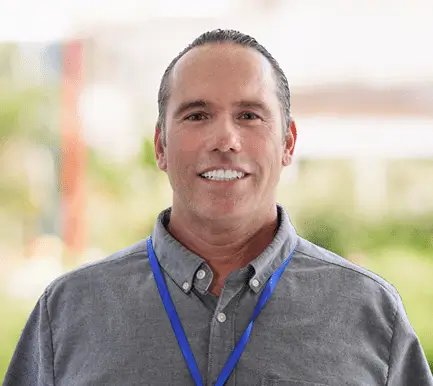
Phil Castagnola SUDCC program director at Coastal Detox of Southern California

Phil Castagnola, SUDRC

Program Director

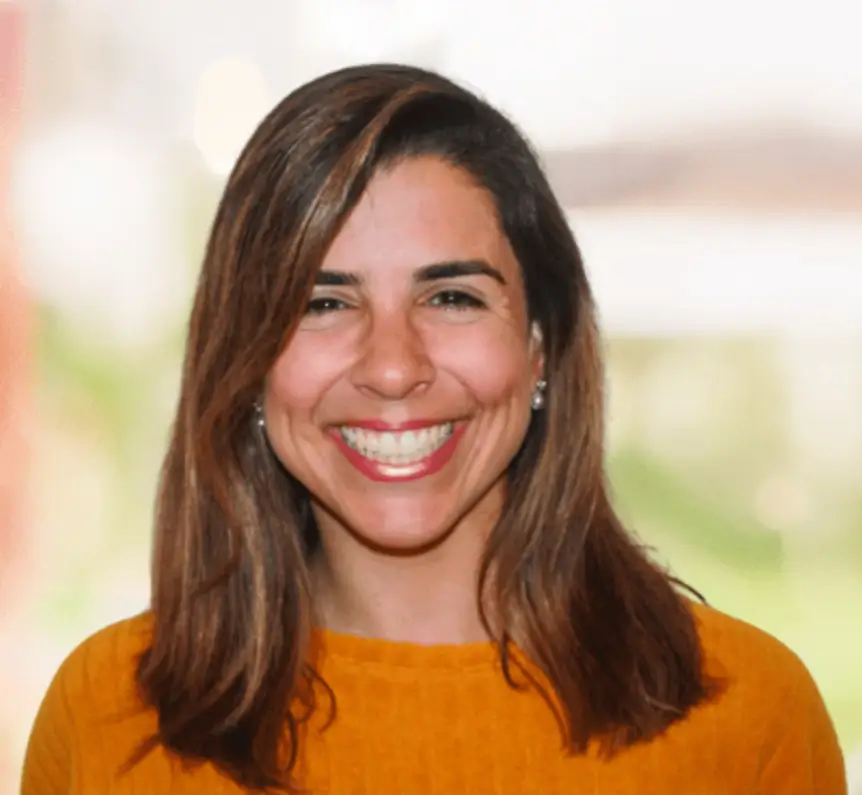
Kay Saffe LPCC clinical director at Coastal Detox of Southern California

Kay Saffe, LPCC

Clinical Director

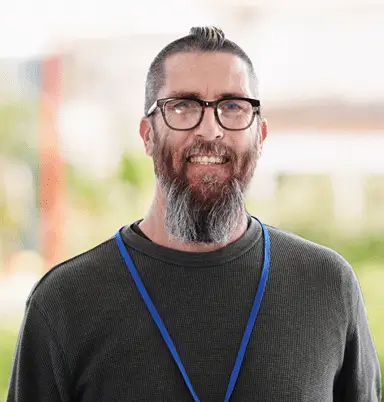
Jeff Swem SUDRC director of operations at Coastal Detox of Southern California

Jeff Swem, SUDRC

Director of Operations

Coastal Detox of Southern California is only a call away.

Contact Us Today for a Free Confidential Assessment and Insurance Verification.

Phil Castagnola

Case Manager

Philip Castagnola, SUDCC, is the Program Director for Coastal Detox of Southern California. He holds an Associate’s in Science and Certification in Alcohol and Other Drug Studies from San Diego City College.

Phil has over 15 years of continuous sobriety and is an active Sponsor in the San Diego Alcoholics Anonymous (AA) community. He struggled with substance abuse issues throughout his youth. He started using drugs at the age of 15, having been raised in an environment that normalized heavy drug and alcohol use. He spent a lot of time in and out of various rehab programs before being incarcerated in federal prison, which is where he finally completed an 18-month treatment program and used that time to work the 12 Steps.

After completing his sentence and serving his debt to society, he vowed to continue to give back to others who are going through similar hardships. Phil is passionated about sharing his experience with openness and honesty so that others may find hope for their future and find the strength to break free from the bondage of addiction.

In addition to a successful career as a certified counselor, Phil is also reconnecting with his passion for surfing. Phil surfed professionally in competitions for a few years in his early 20s and even owned his own surf shop (Select Surf Shop) before losing everything to his addiction. Now in his sobriety he is able to once again surf recreationally and in contests, showing that it’s never too late to reclaim your own narrative, overcome substance use disorder, and pursue the life you were always meant to have.

Kay Saffe, LPCC

Clinical Director

Kay Saffe, LPCC,  is a Licensed Professional Clinical Counselor and Clinical Director at Coastal Detox of Southern California. She holds a Master’s Degree in Clinical Mental Health Counseling from the University of San Diego and a Bachelor’s Degree in Psychology from New College of Florida. 

Kay grew up in Miami, Florida and is a first generation American with Argentinian roots. Throughout her youth, she struggled with drinking and substance abuse. Today, she has been in recovery for over 4 years and strives to prioritize her spiritual, mental, and physical health.

A lifelong athlete and ocean lover, she moved to San Diego to pursue her Master’s degree and progress her surfing. She has spent years working as a surf instructor and therapist, working with local non-profits that treat at risk individuals and families in both English and Spanish. She incorporates a mindful and holistic approach to therapy. She is passionate about positive psychology and helping others through their recovery journey.

Jeff Swem, SUDCC

Director of Operations

Jeff Swem, SUDCC, is a Substance Use Disorder Certified Counselor and the Director of Operations at Coastal Detox of Southern California. He holds an Associate’s in Science and Certification in Alcohol and Other Drug Studies from San Diego City College.

Jeff has 6 years of continuous sobriety and is active in the San Diego Alcoholics Anonymous (AA) community. Jeff struggled with substance abuse from a young age and endured some harrowing, near-death experiences before “settling down” into a career as a professional beer brewer. It was during the COVID outbreak that he surrendered to his higher power and made the choice to get sober for good.

After completing an inpatient rehab program and IOP aftercare, Jeff quit the brewing industry and pivoted to become a Substance Use Disorder Certified Counselor so he could surround himself with a caring and supportive sober community and help others who struggle with addiction by leading through example and sharing his personal experience.

Born and raised in San Diego, Jeff is married to his wife of 25 years. They have a son and daughter together, and thanks to the 12 Steps and a successful career at Coastal Detox, Jeff is able to be fully present for them every day, be a positive role model, and show them how it is possible to thrive in recovery.