The Benefits of Equine Therapy for Addiction Treatment

Help Is Here

Don’t wait for tomorrow to start the journey of recovery. Make that call today and take back control of your life!

"*" indicates required fields

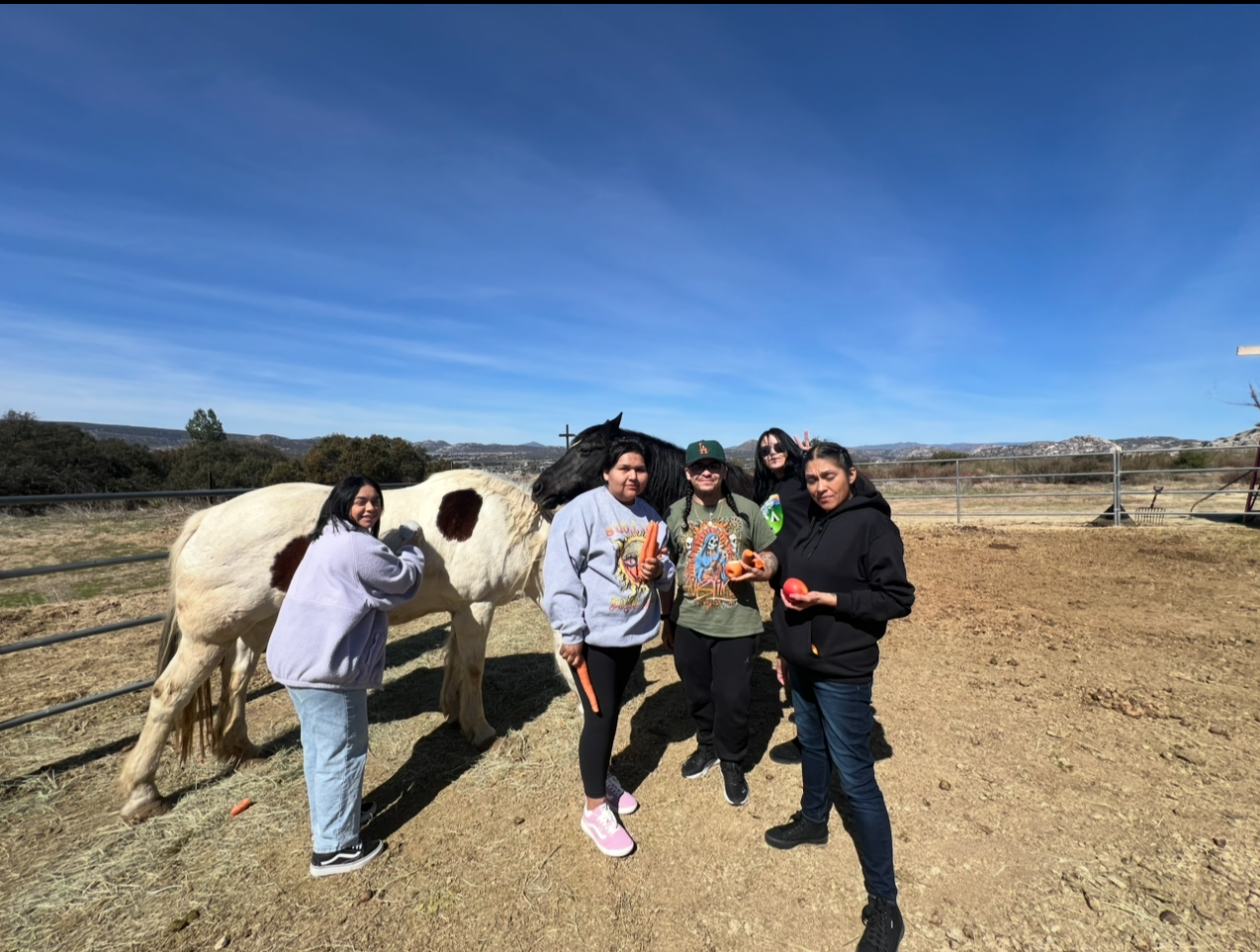
In the journey toward recovery from drug and alcohol addiction, finding effective and engaging therapies is key. While traditional methods like cognitive-behavioral therapy (CBT) and group counseling remain foundational, Coastal Detox of Southern California is now incorporating innovative experiences, including equine therapy at a local San Diego horse ranch.

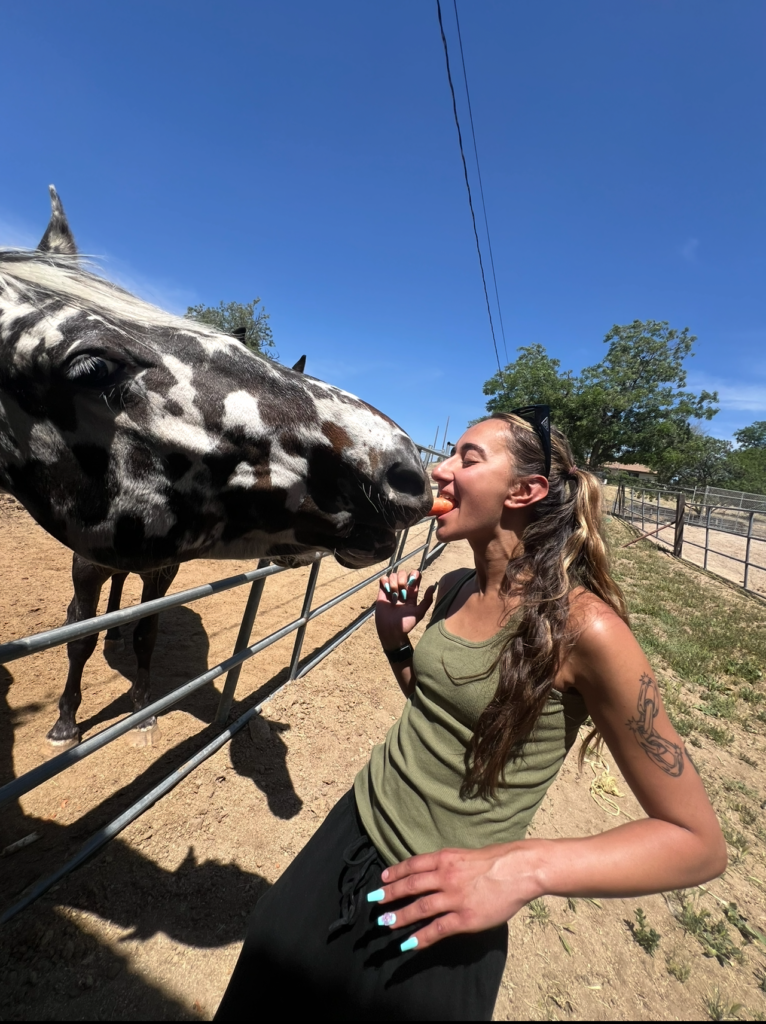
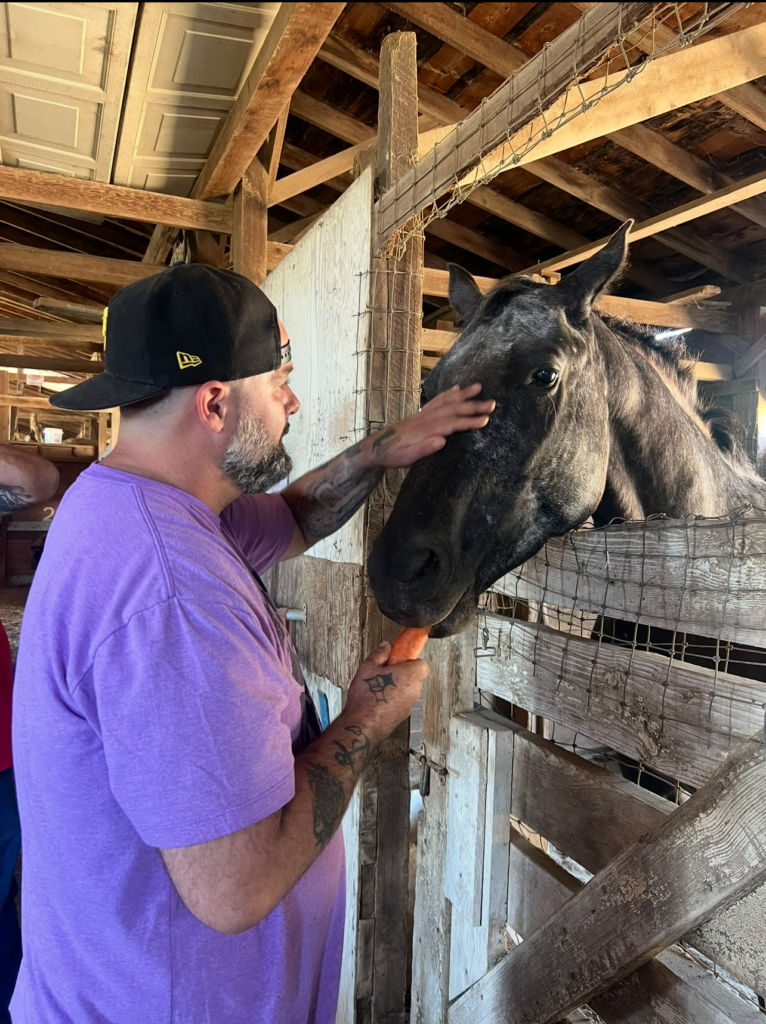
Equine therapy involves interactions with horses, guided by a licensed mental health professional and an equine specialist. The goal is not to ride the horse, but to engage in activities like grooming, leading, and observing. These seemingly simple interactions provide profound insights and foster essential skills for long-term sobriety.
The Unique Role of Horses in Rehab 

Horses are incredibly intuitive and sensitive animals. They are constantly attuned to their environment and to human emotions. They mirror our feelings and behaviors without judgment, providing immediate, non-verbal feedback that can be hard to ignore. This characteristic makes them ideal co-therapists in the addiction treatment setting.

Core Benefits of Equine Therapy for Addiction

Equine therapy offers a range of benefits that directly address the challenges faced by those who struggle with drug and alcohol addiction.

1. Building Trust and Healthy Boundaries

Addiction often erodes a person’s ability to trust, both in themselves and others. Working with a horse requires the individual to establish a trusting relationship with a large, non-verbal animal.

  • Non-Judgmental Feedback: A horse doesn’t care about a person’s past mistakes or diagnosis; it only responds to the present moment and the energy being projected.
  • Boundary Setting: Leading a horse requires assertiveness and clear communication. Clients learn how to establish firm, yet respectful, boundaries—a vital skill for avoiding relapse and navigating difficult relationships.

2. Enhancing Communication Skills

Since horses cannot be reasoned with or lied to, clients must learn to communicate clearly, consistently, and non-verbally. This process translates directly to improved communication in human relationships.

Skill Learned Application in Recovery
Non-Verbal Cues Recognizing and regulating body language and emotional tone
Clear Direction Asserting needs and boundaries with confidence
Patience and Consistency Sustaining effort in relationships and recovery tasks

3. Fostering Self-Awareness and Emotional Regulation

The immediate feedback provided by a horse can be a powerful catalyst for self-discovery. If a person approaches the horse with anxiety or frustration, the horse may become agitated or refuse to cooperate. This forces the client to pause, reflect, and regulate their emotions before re-engaging.

4. Developing Responsibility and Empathy

Caring for a horse—grooming it, feeding it, and ensuring its well-being—instills a sense of responsibility. This shifts the focus from the self and the addiction cycle to the needs of another living creature. This newfound sense of purpose and connection can be transformative.

equine horse therapy drug and alcohol addiction rehab

Benefits of Experiential Therapy in Rehab

Unlike talk therapy, equine therapy is based on experience. It moves the client out of a chair and into a dynamic, real-time interaction. This “doing” over “talking” can be especially beneficial for clients who struggle to articulate their feelings or who have built up walls against traditional therapeutic intervention. The physical and emotional tasks presented by the horses facilitate breakthroughs that might take months to achieve in a conventional office setting.

Coastal Detox of Southern California offers holistic patient care for drug and alcohol rehab. We treat the whole patient, including unique experiential therapies to build mental and emotional resilience, and life skills to lay the foundation for lasting recovery.

If you or a loved one are exploring addiction treatment options, call the admissions team at San Diego’s Coastal Detox to learn more about our holistic approach and unique therapeutic experiences. We look forward to helping you connect with genuine, lasting healing. 

Reference:

Kern-Godal, A., Brenna, I. H., Arnevik, E. A., & Ravndal, E. (2016). More Than Just a Break from Treatment: How Substance Use Disorder Patients Experience the Stable Environment in Horse-Assisted Therapy. Substance abuse : research and treatment, 10, 99–108. 
 

More To Explore

Suicide prevention and addiction treatment in San Diego and Coastal Detox of Southern California

Suicide Prevention Awareness Month: Understanding Suicide Risk, Substance Use, and Where to Find Help

Every September, communities across the nation observe Suicide Prevention Awareness Month, with World Suicide Prevention Day taking place on September 10. This

Overdose Awareness Day purple balloons for San Diego's Coastal Detox of Southern California

International Overdose Awareness Day: Understanding Overdose, Prevention, and Treatment

Learn about International Overdose Awareness Day, overdose warning signs, prevention, naloxone, and where to find professional substance use treatment.
Detox center with golf in San Diego at Coastal Detox of Southern California

Healthy Alternatives to Alcohol and Drugs

Healthy alternatives to alcohol and drugs are activities, habits, relationships, and coping strategies that provide some of the benefits people may have

Meet Our Team

Coastal Detox of Southern California is composed of an entire team of highly trained substance abuse professionals in recovery.
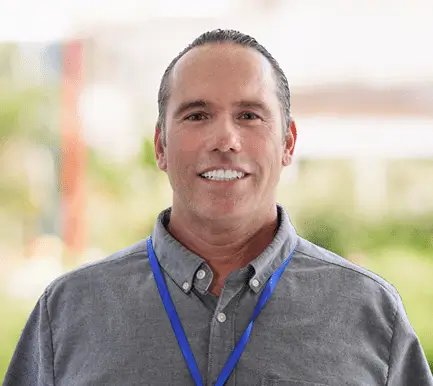
Phil Castagnola SUDCC program director at Coastal Detox of Southern California

Phil Castagnola, SUDRC

Program Director

Kay Saffe LPCC clinical director at Coastal Detox of Southern California

Kay Saffe, LPCC

Clinical Director

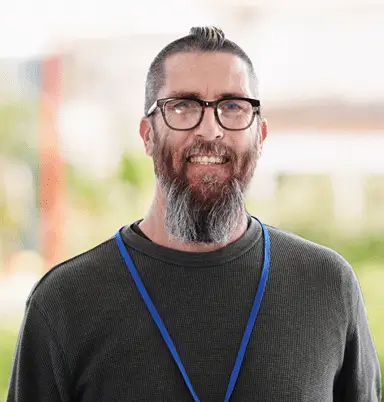
Jeff Swem SUDRC director of operations at Coastal Detox of Southern California

Jeff Swem, SUDRC

Director of Operations

Coastal Detox of Southern California is only a call away.

Contact Us Today for a Free Confidential Assessment and Insurance Verification.

Phil Castagnola

Case Manager

Philip Castagnola, SUDCC, is the Program Director for Coastal Detox of Southern California. He holds an Associate’s in Science and Certification in Alcohol and Other Drug Studies from San Diego City College.

Phil has over 15 years of continuous sobriety and is an active Sponsor in the San Diego Alcoholics Anonymous (AA) community. He struggled with substance abuse issues throughout his youth. He started using drugs at the age of 15, having been raised in an environment that normalized heavy drug and alcohol use. He spent a lot of time in and out of various rehab programs before being incarcerated in federal prison, which is where he finally completed an 18-month treatment program and used that time to work the 12 Steps.

After completing his sentence and serving his debt to society, he vowed to continue to give back to others who are going through similar hardships. Phil is passionated about sharing his experience with openness and honesty so that others may find hope for their future and find the strength to break free from the bondage of addiction.

In addition to a successful career as a certified counselor, Phil is also reconnecting with his passion for surfing. Phil surfed professionally in competitions for a few years in his early 20s and even owned his own surf shop (Select Surf Shop) before losing everything to his addiction. Now in his sobriety he is able to once again surf recreationally and in contests, showing that it’s never too late to reclaim your own narrative, overcome substance use disorder, and pursue the life you were always meant to have.

Kay Saffe, LPCC

Clinical Director

Kay Saffe, LPCC,  is a Licensed Professional Clinical Counselor and Clinical Director at Coastal Detox of Southern California. She holds a Master’s Degree in Clinical Mental Health Counseling from the University of San Diego and a Bachelor’s Degree in Psychology from New College of Florida. 

Kay grew up in Miami, Florida and is a first generation American with Argentinian roots. Throughout her youth, she struggled with drinking and substance abuse. Today, she has been in recovery for over 4 years and strives to prioritize her spiritual, mental, and physical health.

A lifelong athlete and ocean lover, she moved to San Diego to pursue her Master’s degree and progress her surfing. She has spent years working as a surf instructor and therapist, working with local non-profits that treat at risk individuals and families in both English and Spanish. She incorporates a mindful and holistic approach to therapy. She is passionate about positive psychology and helping others through their recovery journey.

Jeff Swem, SUDCC

Director of Operations

Jeff Swem, SUDCC, is a Substance Use Disorder Certified Counselor and the Director of Operations at Coastal Detox of Southern California. He holds an Associate’s in Science and Certification in Alcohol and Other Drug Studies from San Diego City College.

Jeff has 6 years of continuous sobriety and is active in the San Diego Alcoholics Anonymous (AA) community. Jeff struggled with substance abuse from a young age and endured some harrowing, near-death experiences before “settling down” into a career as a professional beer brewer. It was during the COVID outbreak that he surrendered to his higher power and made the choice to get sober for good.

After completing an inpatient rehab program and IOP aftercare, Jeff quit the brewing industry and pivoted to become a Substance Use Disorder Certified Counselor so he could surround himself with a caring and supportive sober community and help others who struggle with addiction by leading through example and sharing his personal experience.

Born and raised in San Diego, Jeff is married to his wife of 25 years. They have a son and daughter together, and thanks to the 12 Steps and a successful career at Coastal Detox, Jeff is able to be fully present for them every day, be a positive role model, and show them how it is possible to thrive in recovery.