Medication-Assisted Treatment (MAT) Explained: A Comprehensive Guide

Help Is Here

Don’t wait for tomorrow to start the journey of recovery. Make that call today and take back control of your life!

"*" indicates required fields

Medication-Assisted Treatment (MAT) is an evidence-based approach used to support individuals in overcoming addiction, particularly for opioid and alcohol dependence. MAT combines the use of medications with behavioral therapies to address the physical, psychological, and physiological aspects of addiction. This comprehensive guide will explain how MAT works, the benefits it offers, the medications commonly used, and why combining medication with therapy is crucial for successful recovery.

How Does Medication-Assisted Treatment (MAT) Work?

MAT works by utilizing specific medications to address the physical and psychological effects of addiction. These medications help reduce cravings, manage withdrawal symptoms, and normalize brain chemistry, allowing individuals to focus on their recovery without the overwhelming urge to use drugs or alcohol.

Benefits of Medication-Assisted Treatment (MAT)

Craving Reduction

One of the primary benefits of MAT is its ability to reduce cravings for drugs or alcohol. Medications used in MAT target the areas of the brain affected by addiction, helping to alleviate the intense desire for substance use.

Withdrawal Symptom Management

MAT medications are effective in managing withdrawal symptoms, which can be uncomfortable and sometimes dangerous. By easing the physical and psychological discomfort associated with withdrawal, MAT increases the likelihood of individuals sticking to their recovery plan.

Normalization of Brain Chemistry

Prolonged substance abuse alters brain chemistry, making it difficult for individuals to experience pleasure or control their impulses. Medications used in MAT help restore the balance of neurotransmitters in the brain, allowing for improved mood regulation and decision-making.

Lower Risk of Relapse and Overdose

MAT has been shown to reduce the risk of relapse and overdose in individuals with opioid or alcohol dependence. By reducing cravings and managing withdrawal symptoms, MAT provides individuals with a better chance of maintaining sobriety and preventing potentially fatal overdoses.

Medications Used in Medication-Assisted Treatment (MAT)

Methadone

Methadone is a long-acting opioid agonist used in MAT for opioid dependence. It helps alleviate withdrawal symptoms, reduces cravings, and blocks the euphoric effects of opioids. Methadone is administered daily under medical supervision.

Buprenorphine

Buprenorphine is a partial opioid agonist used to treat opioid addiction. It helps reduce cravings and withdrawal symptoms while blocking the effects of other opioids. Buprenorphine can be prescribed in different formulations, including a sublingual tablet, a dissolvable film, or an implant placed under the skin.

Naltrexone

Naltrexone is an opioid antagonist used in MAT for both opioid and alcohol dependence. It blocks the effects of opioids and reduces alcohol cravings. Naltrexone is available as a monthly injection or in tablet form.

The Importance of Combining Medication with Therapy

While medications play a crucial role in MAT, it is essential to combine them with behavioral therapies for optimal outcomes. Therapy helps individuals address the psychological and emotional factors contributing to addiction, develop coping skills, and adopt healthier behaviors.

Cognitive-Behavioral Therapy (CBT)

CBT focuses on identifying and changing negative thought patterns and behaviors associated with addiction. It helps individuals develop new coping strategies, strengthen their motivation for recovery, and build resilience against relapse triggers.

Motivational Interviewing (MI)

MI is a client-centered therapy that aims to increase intrinsic motivation for change. It helps individuals explore their ambivalence towards recovery, build self-efficacy, and foster a sense of ownership and commitment to their treatment goals.

Group Therapy

Group therapy provides a supportive environment where individuals can share their experiences, challenges, and successes with others going through similar journeys. It offers peer support, validation, and a sense of belonging, which can be instrumental in maintaining long-term recovery.

Frequently Asked Questions about Medication-Assisted Treatment (MAT)

Will I become addicted to the medications used in MAT?

The medications used in MAT are carefully prescribed and managed by healthcare professionals. When taken as prescribed, the risk of addiction to these medications is minimal. They are designed to help individuals overcome addiction and rebuild their lives.

Can MAT be used for long-term maintenance?

MAT can be utilized as a long-term maintenance strategy, especially for individuals with chronic addiction or who have experienced multiple relapses. The duration of MAT varies depending on individual needs and progress in recovery.

Is MAT effective for all types of substance addiction?

MAT is primarily used for opioid and alcohol addiction. However, research is ongoing to explore the effectiveness of MAT for other substances.

Conclusion: Overcoming Addiction with Medication-Assisted Treatment (MAT)

Medication-Assisted Treatment (MAT) has proven to be an effective approach in supporting individuals in their journey towards recovery. By reducing cravings, managing withdrawal symptoms, and normalizing brain chemistry, MAT provides a solid foundation for successful, long-term sobriety. When combined with therapy, MAT addresses both the physical and psychological aspects of addiction, giving individuals the tools they need to overcome substance dependence and reclaim their lives.


More To Explore

Meth detox guide from Coastal Detox of Southern California

Meth Detox Guide: What to Expect During Withdrawal and the First Steps Toward Recovery

Methamphetamine is one of the most addictive stimulants available. Its impact on the brain leads to a cycle of compulsive use, leaving

Can alcohol cause seizures? Alcohol detox at Coastal Detox of Southern California

Can Alcohol Cause Seizures? Understanding the Risks, Symptoms, and When to Get Help

Can Alcohol Cause Seizures? What You Need to Know About Alcohol-Related Seizures Yes, alcohol can cause seizures under certain circumstances. While

Alcohol addiction treatment San Diego Coastal Detox of Southern California

What to Expect The First Day of Rehab

Getting treatment for drug or alcohol addiction is a difficult decision, so it’s helpful to know what to expect on the first

Meet Our Team

Coastal Detox of Southern California is composed of an entire team of highly trained substance abuse professionals in recovery.
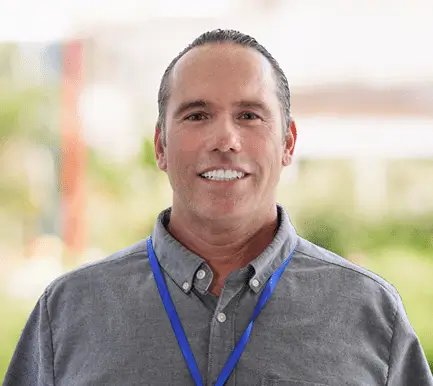
Phil Castagnola SUDCC program director at Coastal Detox of Southern California

Phil Castagnola, SUDRC

Program Director

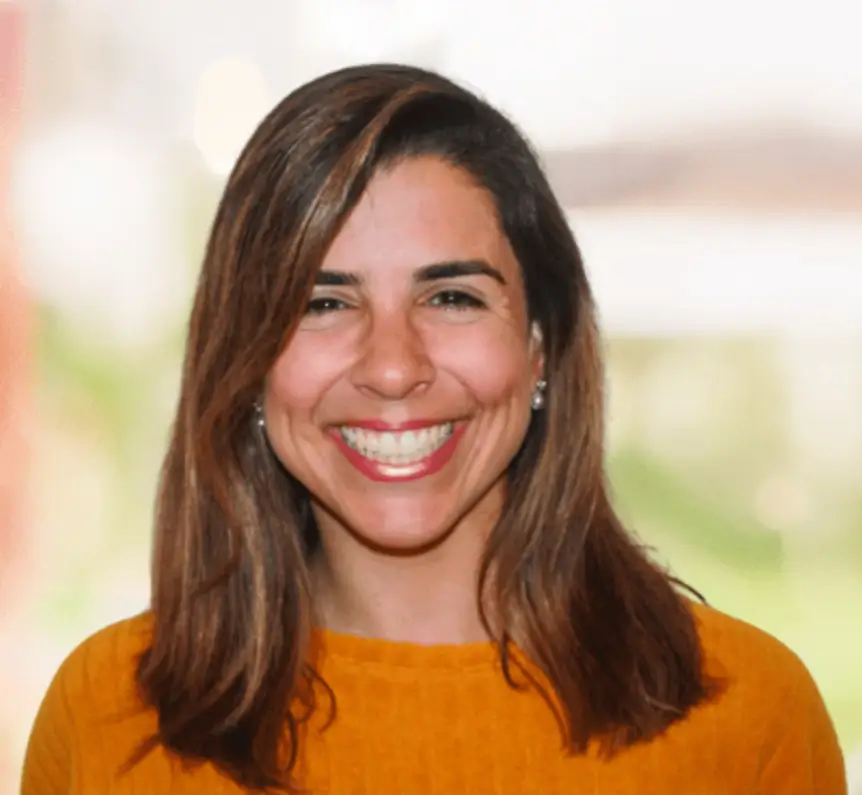
Kay Saffe LPCC clinical director at Coastal Detox of Southern California

Kay Saffe, LPCC

Clinical Director

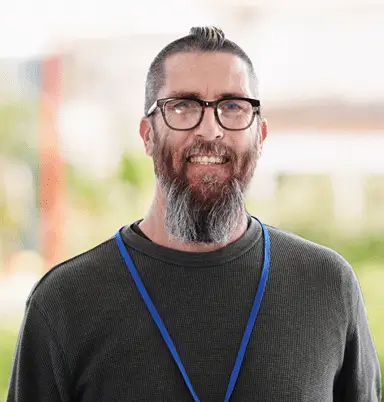
Jeff Swem SUDRC director of operations at Coastal Detox of Southern California

Jeff Swem, SUDRC

Director of Operations

Coastal Detox of Southern California is only a call away.

Contact Us Today for a Free Confidential Assessment and Insurance Verification.

Phil Castagnola

Case Manager

Philip Castagnola, SUDCC, is the Program Director for Coastal Detox of Southern California. He holds an Associate’s in Science and Certification in Alcohol and Other Drug Studies from San Diego City College.

Phil has over 15 years of continuous sobriety and is an active Sponsor in the San Diego Alcoholics Anonymous (AA) community. He struggled with substance abuse issues throughout his youth. He started using drugs at the age of 15, having been raised in an environment that normalized heavy drug and alcohol use. He spent a lot of time in and out of various rehab programs before being incarcerated in federal prison, which is where he finally completed an 18-month treatment program and used that time to work the 12 Steps.

After completing his sentence and serving his debt to society, he vowed to continue to give back to others who are going through similar hardships. Phil is passionated about sharing his experience with openness and honesty so that others may find hope for their future and find the strength to break free from the bondage of addiction.

In addition to a successful career as a certified counselor, Phil is also reconnecting with his passion for surfing. Phil surfed professionally in competitions for a few years in his early 20s and even owned his own surf shop (Select Surf Shop) before losing everything to his addiction. Now in his sobriety he is able to once again surf recreationally and in contests, showing that it’s never too late to reclaim your own narrative, overcome substance use disorder, and pursue the life you were always meant to have.

Kay Saffe, LPCC

Clinical Director

Kay Saffe, LPCC,  is a Licensed Professional Clinical Counselor and Clinical Director at Coastal Detox of Southern California. She holds a Master’s Degree in Clinical Mental Health Counseling from the University of San Diego and a Bachelor’s Degree in Psychology from New College of Florida. 

Kay grew up in Miami, Florida and is a first generation American with Argentinian roots. Throughout her youth, she struggled with drinking and substance abuse. Today, she has been in recovery for over 4 years and strives to prioritize her spiritual, mental, and physical health.

A lifelong athlete and ocean lover, she moved to San Diego to pursue her Master’s degree and progress her surfing. She has spent years working as a surf instructor and therapist, working with local non-profits that treat at risk individuals and families in both English and Spanish. She incorporates a mindful and holistic approach to therapy. She is passionate about positive psychology and helping others through their recovery journey.

Jeff Swem, SUDCC

Director of Operations

Jeff Swem, SUDCC, is a Substance Use Disorder Certified Counselor and the Director of Operations at Coastal Detox of Southern California. He holds an Associate’s in Science and Certification in Alcohol and Other Drug Studies from San Diego City College.

Jeff has 6 years of continuous sobriety and is active in the San Diego Alcoholics Anonymous (AA) community. Jeff struggled with substance abuse from a young age and endured some harrowing, near-death experiences before “settling down” into a career as a professional beer brewer. It was during the COVID outbreak that he surrendered to his higher power and made the choice to get sober for good.

After completing an inpatient rehab program and IOP aftercare, Jeff quit the brewing industry and pivoted to become a Substance Use Disorder Certified Counselor so he could surround himself with a caring and supportive sober community and help others who struggle with addiction by leading through example and sharing his personal experience.

Born and raised in San Diego, Jeff is married to his wife of 25 years. They have a son and daughter together, and thanks to the 12 Steps and a successful career at Coastal Detox, Jeff is able to be fully present for them every day, be a positive role model, and show them how it is possible to thrive in recovery.