May marks Mental Health Awareness Month, a time for communities, families, and individuals to reflect on the complexities of emotional and psychological well-being, and the links between mental health and addiction.
Recovery from substance use disorder (SUD) is about much more than just getting sober. At Coastal Detox of Southern California, we specialize in a dual-diagnosis approach that treats co-occurring mental health disorders simultaneously alongside addiction. Patients learn to understand how their feelings and actions are intertwined, so they can practice new coping strategies for their unique mental health conditions and triggers.
If you are struggling with your mental health and addiction, help is available 24/7. Call Coastal Detox now at 858-333-7396.
Why Addiction and Mental Health Are Inseparable
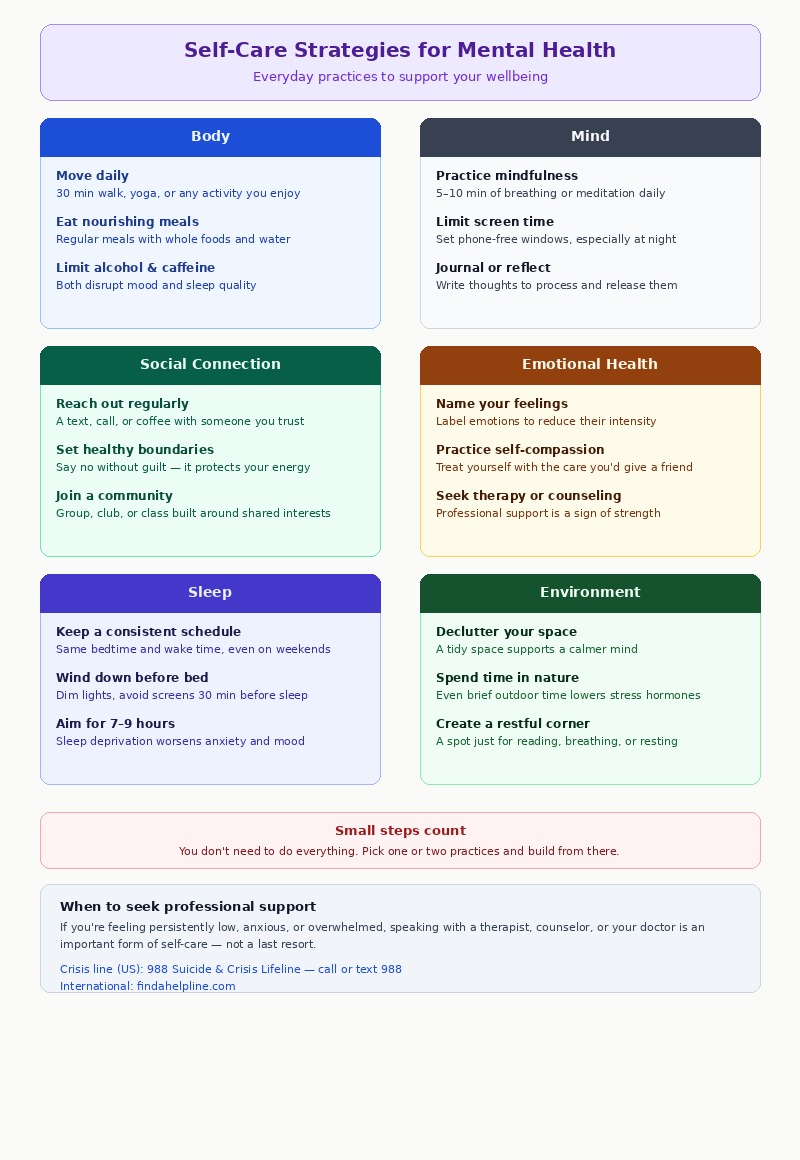
Nationwide studies have found that about half of those who experience a mental health condition will also struggle with substance abuse at some point in their lives. This includes people with generalized anxiety, panic disorders, post-traumatic stress disorder (PTSD), depression, bipolar disorder, attention deficit hyperactivity disorder (ADHD), borderline personality disorder, and schizophrenia.
The cycle of co-occurring mental health disorders and addiction to drugs or alcohol is driven by several complex factors that fuel one another, often creating a self-perpetuating loop of distress and dependency.

The Role of Self-Medication
Many people turn to drugs or alcohol as a way to “self-medicate” or numb the symptoms of their mental health conditions. For example, someone suffering from an anxiety disorder might use alcohol to quiet racing thoughts, or a person with depression may use stimulants to combat feelings of hopelessness and low energy.
While these substances may provide temporary relief, they ultimately worsen the mental health condition and lead to chemical dependence.
Shared Risk Factors
Research from the Substance Abuse and Mental Health Services Administration (SAMHSA) shows that mental health disorders and addiction often share the same biological and environmental risk factors:
- Genetics: A family history of either mental illness or addiction significantly increases a person’s risk for both.
- Brain Structure: Both disorders impact similar regions of the brain, particularly those responsible for reward, stress response, and impulse control.
- Environmental Trauma: Experiences such as childhood abuse, neglect, or chronic stress disrupt healthy development and coping mechanisms, predisposing individuals to both addiction and mental health conditions.
Holistic Healing: The Clinical Perspective
Treating these intertwined conditions requires more than traditional medical detox. It demands expressive and evidence-based therapies that help patients process emotions they may not yet have words for.
Kay Saffe, LPCC and Clinical Director at Coastal Detox, emphasizes the power of expressive therapies like music in this process: “Music especially gives patients a chance to process powerful emotions or trauma without the pressure of needing to find the ‘right words’ to express it”.
Holistic treatment methods are essential for addressing the mind, body, and spirit in recovery. Equine therapy, for instance, provides honest, non-judgemental feedback to help patients build trust, set boundaries, develop assertiveness, and confront underlying issues like trauma and communication deficits.
Practices such as guided meditation and mindfulness foster a sense of purpose and connection to personal growth, which is a powerful antidote to isolation and hopelessness. When combined with other body-centric practices like breathwork and yoga (as part of exercise), these methods create a comprehensive toolkit for resilience and self-care that can last a lifetime.
How to Support a Loved One in Crisis
Supporting a friend or family member who is struggling with their mental health or substance use requires patience, empathy, and a non-judgmental approach.
- Encourage Honest Conversations: Use this month as an opportunity to check in. Listen without offering immediate solutions or judgment.
- Promote Professional Support: Remind them that recovery is possible and that reaching out for professional help is a sign of strength, not a moral failing.
- Plan Sober Activities: Support their well-being by suggesting activities that don’t involve substances, such as hiking, visiting a museum, or simply grabbing coffee.
- Educate Yourself: Understanding that addiction and mental health disorders are medical conditions—not choices—can help you provide more effective support.
The most crucial step in supporting a loved one is establishing healthy boundaries and actively avoiding enabling behaviors. Boundaries are essential for protecting your own emotional and physical health. Enabling means shielding a person from the natural consequences of their actions, which ultimately hinders their recovery and prevents them from developing personal accountability. For example, refusing to call their boss to cover for their absence or refusing to provide money when you suspect it will be used for drugs are healthy boundaries that encourage them to face their issues.
A dual-diagnosis treatment program that includes family therapy can be extremely effective in rebuilding lost trust, practicing honest communication, and repairing relationships that have been damaged by substance abuse and mental illness.
Evidence-Based Therapies: The Gold Standard in Care
Evidence-based therapies are the gold standard in addiction treatment and mental health care, as they are scientifically proven to be effective in treating co-occurring substance use disorders and mental health issues. These foundational approaches are proven effective in large-scale clinical studies.
1. Cognitive Behavioral Therapy (CBT)
Cognitive Behavioral Therapy (CBT) is a goal-oriented psychotherapy treatment that takes a hands-on, practical approach to problem-solving. The focus is on identifying and changing negative or intrusive thoughts that lead to self-destructive behaviors and emotional distress. The primary goal is developing coping skills to manage high-risk situations, triggers, and cravings.
2. Dialectical Behavior Therapy (DBT)
Dialectical Behavior Therapy (DBT) is an adaptation of CBT that emphasizes psychosocial aspects of treatment, focusing on emotional regulation and acceptance. DBT teaches skills in four key areas: mindfulness, distress tolerance, emotion regulation, and interpersonal effectiveness. The goal is to reduce self-harming behaviors and manage intense emotions that often contribute to relapse, while also teaching effective communication skills to develop meaningful relationships.
Comprehensive Resource Directory
If you or someone you love needs help, there are numerous local and national resources available to provide immediate support and long-term care.
Crisis and Immediate Support
| Resource | Contact Information | Description |
|---|---|---|
| National Crisis Lifeline | Call or Text 988 | 24/7 support for mental health crises or suicidal ideation. |
| San Diego Access & Crisis Line | 1-888-724-7240 | Local 24/7 confidential support and referrals for behavioral health services. |
| SAMHSA National Helpline | 1-800-662-HELP (4357) | National agency providing treatment referrals and information. |
| National Alliance on Mental Illness | 1-800-950-NAMI (6264)Text 62640Email helpline@nami.org | Free, confidential nationwide service for emotional support and information, open Mon.–Fri. 10am–10pm EST. |
Local San Diego Treatment & Support
- San Diego County Behavioral Health Services (BHS): The central hub for county-funded mental health and substance use services.
- Coastal Detox of Southern California: Provides medical detox and residential dual-diagnosis treatment with 24/7 medical supervision.
- Alcoholics Anonymous (AA) San Diego: Local chapters offering peer support via the 12-step recovery model.
- SMART Recovery San Diego: A science-based, non-12-step support group for managing addictive behaviors.
- Al-Anon/Alateen San Diego: Support groups specifically designed for the families and friends of those struggling with alcohol use.
Supporting Mental Health Awareness All Month Long

This May, let us commit to breaking the stigma surrounding mental health. No one has to face the cycle of addiction and mental illness alone.
To learn more about individualized treatment plans or to start a same-day admission, contact the Coastal Detox team at 858-333-7396 or visit our admissions page.