Seniors Overcoming Addiction

Help Is Here

Don’t wait for tomorrow to start the journey of recovery. Make that call today and take back control of your life!

"*" indicates required fields

As we age, overcoming addiction puts forward challenges since we become more susceptible to various health issues, including addiction. Addiction is a complex disease that affects individuals of all ages, races, genders, and socioeconomic backgrounds. Seniors are no exception to this reality, and they may face unique challenges when trying to overcome addiction. 

Unlike younger people, seniors may have been struggling with addiction for years or have developed addiction later in life due to various reasons such as loneliness, grief, chronic pain, or retirement. Overcoming addiction can be more difficult as a senior due to the physical and emotional changes that come with aging. In this blog post, we will delve deeper into the unique challenges faced by seniors in overcoming addiction and provide solutions to help them achieve and maintain sobriety.

Challenges Faced by Seniors in Overcoming Addiction

  1. Physical Health Issues

One of the unique challenges seniors face when trying to overcome addiction is physical health issues. As we age, we are more likely to experience chronic pain, mobility problems, and other physical health issues that can lead to prescription drug abuse, which can quickly turn into addiction. Seniors may find it challenging to manage their pain and addiction simultaneously, making it difficult to overcome addiction. Moreover, seniors who struggle with addiction may also have underlying physical or mental health conditions that need to be addressed to achieve and maintain sobriety.

  1. Social Isolation

Another challenge faced by seniors is social isolation. Seniors are more likely to experience social isolation, which can lead to depression and anxiety. These feelings can trigger addiction and make it challenging to overcome. Furthermore, seniors may feel ashamed or embarrassed about their addiction and may be hesitant to seek help or support. Due to social isolation, seniors may also lack a support system that can provide encouragement, motivation, and guidance throughout the recovery journey.

  1. Financial Struggles

Financial struggles are another unique challenge faced by seniors in overcoming addiction. Seniors may face financial struggles, such as limited income, high healthcare costs, and retirement planning. These financial struggles can lead to stress and anxiety, which can trigger addiction. Seniors may also struggle to pay for addiction treatment, which can make it difficult to overcome addiction.

  1. Stigma

There is a stigma associated with addiction, which can prevent them from seeking help or support. There is a common misconception that addiction is a problem for younger generations, and seniors who struggle with addiction may feel ashamed or embarrassed. Due to stigma, seniors may be hesitant to talk to others about their addiction struggles, seek treatment, or join addiction recovery groups.

Solutions to Overcome Addiction as a Senior

Despite these unique challenges, there are solutions that can help seniors overcome addiction and maintain sobriety.

  1. Seek Treatment for Co-occurring Conditions

Seniors with addiction may also have underlying physical or mental health issues. It’s crucial to address these issues along with addiction to achieve and maintain sobriety. Seniors should seek treatment for co-occurring conditions, such as chronic pain or depression, to avoid triggering addiction.

  1. Build a Support System

Second, seniors should build a support system that includes family, friends, and healthcare professionals. This support system can provide encouragement, motivation, and guidance throughout the recovery journey. Seniors can also seek support from addiction recovery groups, such as Alcoholics Anonymous (AA) or Narcotics Anonymous (NA), to connect with others who have similar experiences.

  1. Address Social Isolation

Seniors should address social isolation by staying active and engaged in activities they enjoy. They can also seek out community programs and senior centers to connect with others and combat feelings of isolation.

  1. Explore Financial Assistance Options

Seniors should explore financial assistance options for addiction treatment, such as Medicare or Medicaid. They can also seek addiction treatment programs offering financial assistance or sliding-scale fees to make treatment more affordable.

  1. Combat Stigma

Seniors who are struggling with addiction should not feel ashamed or embarrassed to seek help or support. Unfortunately, there is still a great deal of stigma surrounding addiction, which can prevent seniors from talking openly about their struggles and seeking the help they need. However, one of the best ways to combat this stigma is by talking openly about addiction and sharing their experiences with others. By doing so, seniors can help break down the barriers that prevent individuals from seeking help.

In addition to talking openly about addiction, seniors can also help reduce stigma by educating others about addiction and its effects. Education is a powerful tool that can help reduce misconceptions and increase understanding of addiction. Seniors can share information about the causes of addiction, the different types of treatment available, and the challenges that individuals in recovery face. By sharing their knowledge and experiences, seniors can help others better understand the complexities of addiction and encourage them to offer support and understanding to those who are struggling with this disease.

Overall, it is important for seniors to understand that addiction is a disease, not a moral failing or a weakness. Seeking help and support is a sign of strength and courage, and talking openly about addiction can help reduce stigma and promote understanding. If you or a loved one is struggling with addiction, don’t hesitate to reach out for help. There are many resources available that can help you with overcoming addiction and achieve a healthy, fulfilling life in your golden years.

If you or a loved one is a senior struggling with overcoming addiction, it’s never too late to seek help. Contact us today to learn about our addiction treatment programs. Our experienced and compassionate team will provide the support and guidance needed to achieve and maintain sobriety.

More To Explore

delirium tremens from alcohol

What Is Delirium Tremens?

Delirium tremens (DTs) is a dangerous and life-threatening condition caused by alcohol withdrawal. It is a medical emergency that demands immediate, intensive

April is Alcohol Awareness Month in San Diego

April is Alcohol Awareness Month: Understanding and Acting in San Diego

April marks Alcohol Awareness Month, an annual public health observance dedicated to raising awareness about alcohol-related issues, promoting responsible choices, and encouraging

12-step meditation to find your Higher Power

Healthy vs Unhealthy Coping Mechanisms in Addiction Recovery

Addiction recovery is not just about quitting drugs or alcohol; it’s about learning a completely new way to live and manage life’s

Meet Our Team

Coastal Detox of Southern California is composed of an entire team of highly trained substance abuse professionals in recovery.
phil castagnola surdrc program director

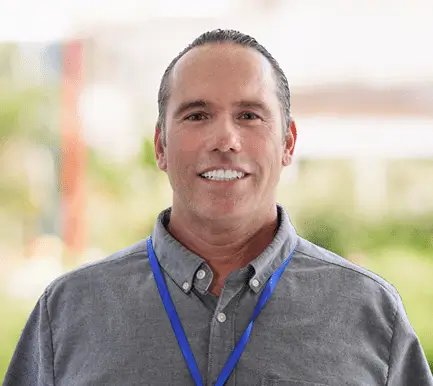
Phil Castagnola, SUDRC

Program Director

kay saffe lpcc clinical director

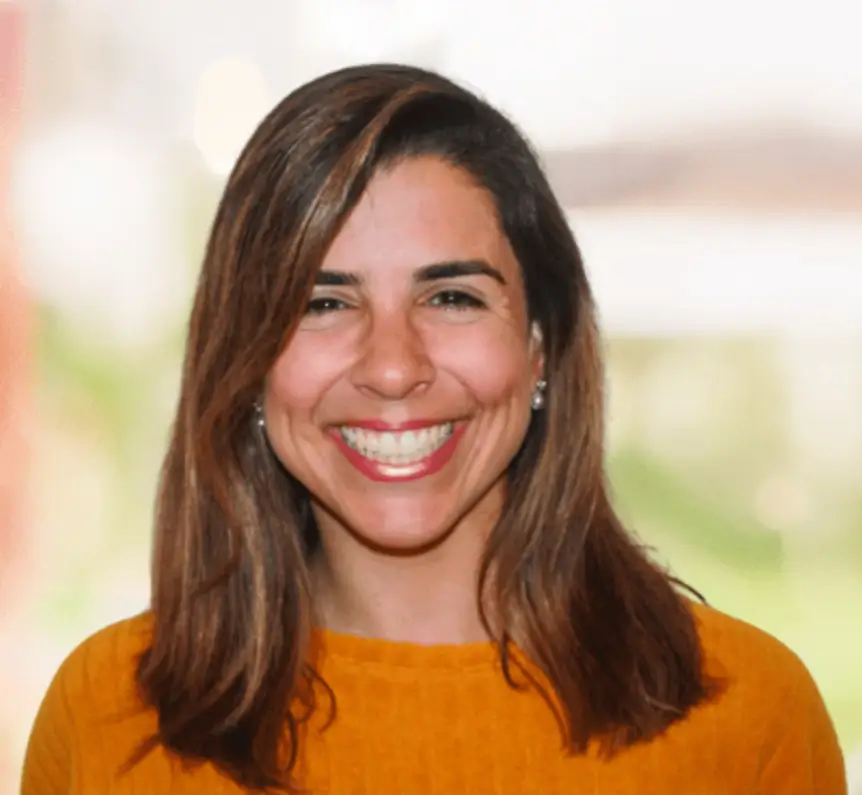
Kay Saffe, LPCC

Clinical Director

jeff swem sudrc director of operations

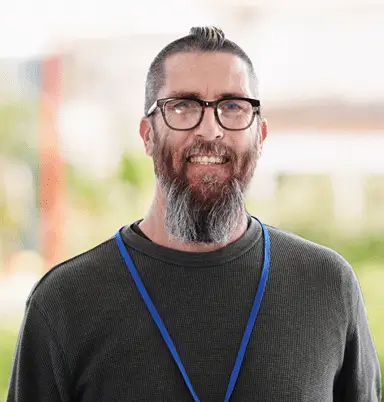
Jeff Swem, SUDRC

Director of Operations

Coastal Detox of Southern California is only a call away.

Contact Us Today for a Free Confidential Assessment and Insurance Verification.

Seniors Overcoming Addiction

Phil Castagnola

Case Manager

Philip was born and raised in San Diego. He grew up with parents who were functioning alcoholics /addicts. This led to adopting a faulty belief system from a very early age that using drugs and alcohol was an acceptable way to live. The belief system made it normal for him to begin using substances at the age of 15.
Philip has been a surfer his entire life and competed professionally for a few years in his 20’s. He has primarily worked in the surf industry. He eventually opened his own surf shop (Select Surf Shop) in the early 2000’s. His addiction eventually got the better of him and after losing his business and his family in 2006 he spent the next 3 years in and out of rehabs trying to recover. His substance abuse issues eventually landed him in federal prison. He used his time wisely and started working the steps of alcoholics anonymous and completing an 18-month treatment program. 
Philip was the primary caregiver for his mom who was permanently bedridden for the last 4 years. When covid hit he decided to pursue one of his goals and began going to school to become a substance abuse counselor.

After struggling with substance abuse issues for over 20 years philip now has 1 years of continuous sobriety and works a program of recovery givi4ng back to other addicts and alcoholics through sponsorship in the program of AA.

Philip studied AODS at San Diego City College and he is now completing his internship here at Coastal Detox of Southern California.

Philip’s main passion is sharing his experience, strength and hope with others who struggle with substance abuse issues. Helping others through their journey of getting and remaining free of their bondage of addiction.

Kay Saffe LPCC

Clinical Director

Kay Saffe grew up in Miami, Florida and is a first generation American with Argentinian roots. She struggled with drinking and substances, especially throughout her youth. Today, she has been in recovery for years and strives to prioritize her spiritual, mental, and physical health.

A lifelong athlete and ocean lover, she moved to San Diego to pursue a Master’s degree in counseling at the University of San Diego and progress her surfing. She has spent years working as a surf instructor and therapist, working with local non-profits that treat at risk individuals and families in English and Spanish. She incorporates a mindful and holistic approach to therapy. She is passionate about positive psychology and helping others through their recovery journey.

Jeff Swem, SUDRC

Director of Operations

Jeff was born and raised in San Diego, and spent much of his youth living blocks from where our residential housing is located.  He spent his teenage years skateboarding up and down the surrounding streets, and enjoying the Pacific Beach life in the 80’s/early 90’s. 

Jeff got to know the darker side of addiction early in life, with three near-death experiences in a row happening within a year.  He “settled down” into alcohol, and later in life became a professional brewer, but that too proved to be too cunning, baffling, and powerful a draw.  During Covid, he felt no choice but to surrender, and made the decision to get sober.  He attended a similar program to our own, and after completing the 30 days inpatient and attending IOP aftercare, he was able to forge a strong foundation of sobriety.  He has not found a reason to pick up a drink since the day that he checked into that detox.  After quitting the brewing gig (because of course, he had little choice there), he enrolled in the AODS program at City College with his sights on a new career of helping others.  Having completed the requirements involved, he went on to earn his certification in California for Substance Use Disorder Certified Counselor.

Jeff is married to his wife of nearly 25 years with a 21 year old daughter and 18 year old son, and thanks to the 12 steps, surrounding himself with a caring and supportive sober community, and coming to terms with his alcoholism, is able to lead others struggling with addiction through example and personal experience.