
Coastal Detox of Southern California is San Diego’s choice for drug and alcohol rehab, offering medical detox, medication-assisted treatment, dual diagnosis care and evidence-based therapies in a luxury Pacific Beach location.
Coastal Detox of Southern California is your trusted partner in recovery, located in the heart of Pacific Beach. We provide comprehensive addiction recovery services for San Diego County and the broader Southern California region. At our state-of-the-art facility, we prioritize your safety and comfort through our fully licensed medical detox programs and 24/7 medical supervision.
We specialize in dual diagnosis treatment to address co-occurring mental health conditions alongside drug and alcohol addiction. By combining clinical excellence with a holistic approach, we create a unique path to wellness tailored to your specific needs. If you or a loved one are ready to take the first step toward lasting sobriety, our dedicated team is available to help you begin your journey today.
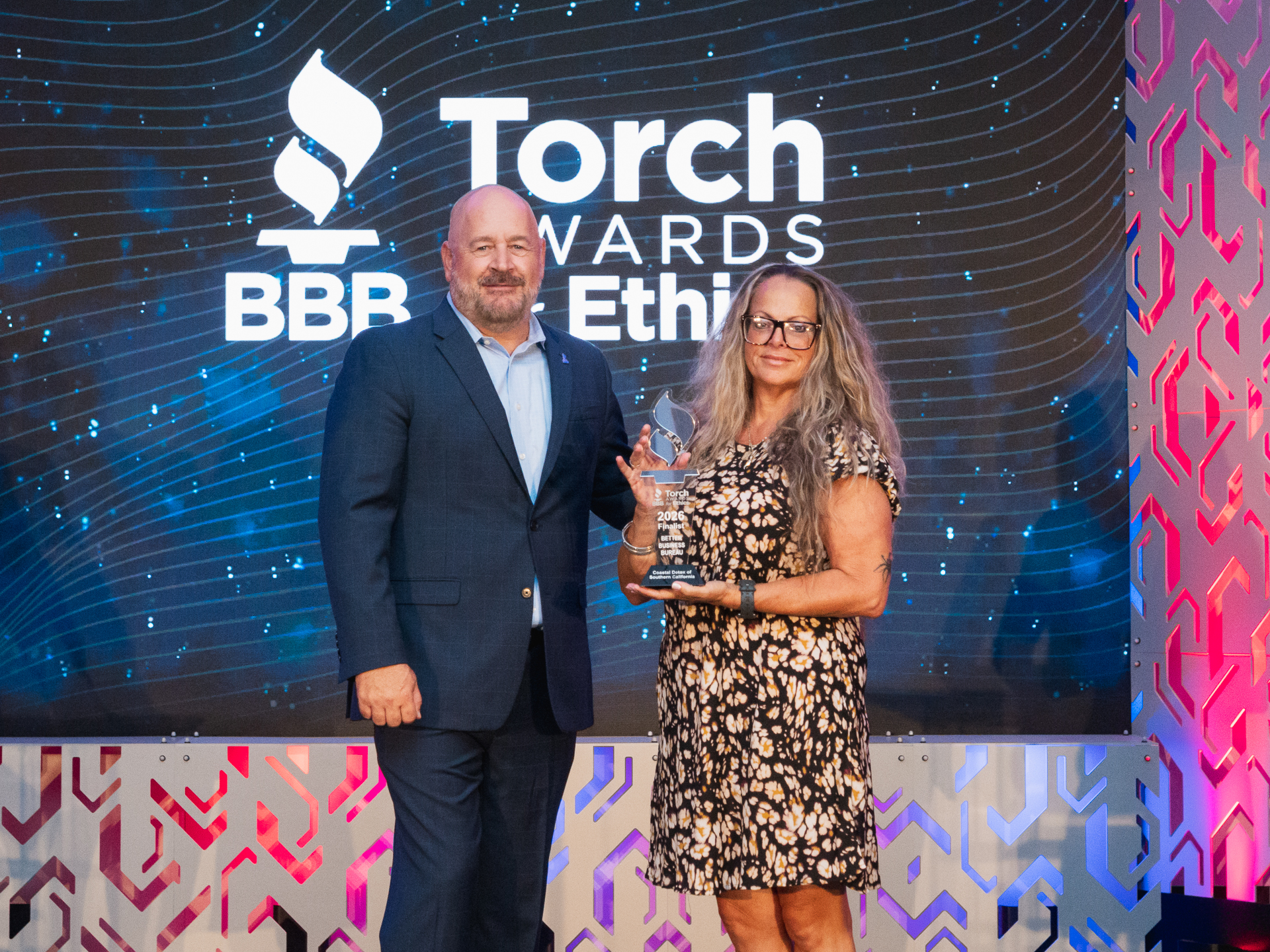
Coastal Detox of Southern California was honored as a 2026 finalist for the San Diego County Better Business Bureau (BBB) Torch Awards for Ethics, recognizing our commitment to integrity, transparency, accountability, and ethical business practices.
Being selected as a finalist reinforces the values that guide our work every day. In addiction treatment, trust matters. We believe patients and families deserve honest communication, compassionate care, and treatment centered on what is genuinely best for each individual. This recognition reflects our ongoing commitment to ethical business practices and high-quality, patient-centered addiction treatment.
Coastal Detox maintains the highest standards of care, demonstrated by our commitment to stringent licensing and accreditation requirements. These credentials ensure we provide safe, ethical, and evidence-based treatment within a fully compliant facility.


At Coastal Detox, we understand that choosing the right environment for recovery is a vital step in your journey to health and wellness. Located in the serene coastal community of Pacific Beach, our facility offers a tranquil and supportive atmosphere. We are dedicated to providing accessible care, which is why we offer same-day admissions to ensure you can begin your recovery without delay. Our luxury residential setting provides comfort and privacy, supported by 24/7 medically supervised detox to ensure safety and stability throughout the process. Our specialized offerings include dual diagnosis treatment, a unique couples treatment program, and a low patient-to-staff ratio to allow us to provide the personalized attention each patient deserves. We are committed to making quality treatment accessible by accepting PPO insurance. By combining clinical excellence with a compassionate, holistic approach, Coastal Detox of Southern California provides a comprehensive and healing experience tailored to your needs.








Treatment for addiction and co-occurring mental health disorders. We treat ADHD, bipolar disorder, PTSD, depression, anxiety, and more. Our integrated approach ensures patients receive the care and medication they need to manage complex symptoms, while developing life skills and coping mechanisms.
Individual and group sessions with licensed therapists. Patients receive a blend of cognitive behavioral therapy (CBT), dialectical behavior therapy (DBT), trauma-informed therapy, family counseling, and expressive therapy. Each person’s care plan is individually tailored to meet their needs and promote long-term recovery.
24/7 medical monitoring in a comfortable, home-like setting. We take care of all cleaning, laundry, maintenance, and food preparation. Patients enjoy daily outings to enjoy local San Diego attractions, outdoor activities, and recovery groups to lay the foundation for a new life of sobriety.
Medication-assisted treatment (MAT) for opioid addiction and alcohol detox. Our clinical care team administers FDA-approved medications to help ease withdrawal symptoms, prevent dangerous serizures, reduce drug cravings, and promote long-term sobriety.
We accept PPO plans from most major insurance providers. Private-pay and financing plans are available.








Our fully licensed medical detox and rehab programs provide evidence-based protocols and FDA-approved medications to manage withdrawal symptoms, minimize the risk of dangerous complications, reduce cravings, and strengthen physical wellbeing. Patients and their families come to Coastal Detox as their trusted partner for:
At Coastal Detox of Southern California, your care providers are a team of fully licensed clinicians, therapists, and medical staff, many of whom are in recovery themselves. They understand what you’re going through, and they’re committed to setting you on the path to a better future.
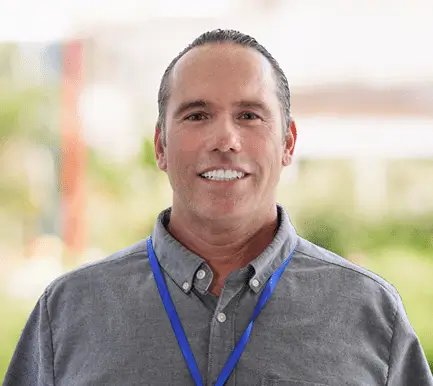
Program Director

Clinical Director

Director of Operations
Coastal Detox is dedicated to providing compassionate, comprehensive care to residents throughout San Diego County. We understand that finding the right support close to home is a critical step in the recovery journey. We are proud to extend our specialized addiction treatment services to individuals and families in La Jolla, Coronado, Chula Vista, Encinitas, Oceanside, and Santee. No matter your location in San Diego County, we are here to support your lasting recovery.
Beyond the local community, Coastal Detox serves individuals throughout Southern California. We welcome patients from Los Angeles, Orange County, and the Inland Empire who are seeking a serene, coastal environment for their recovery. Our commitment to high-quality, compassionate care extends to everyone across the region, ensuring that those looking for professional detox and residential rehab have access to our specialized programs regardless of where they are located in Southern California.
Ask our knowledgeable admissions team about transportation arrangements.
At Coastal Detox, our unique location in Pacific Beach provides a serene and revitalizing backdrop for the healing journey. The natural beauty of the San Diego coast is more than just a setting, it’s an integral part of our treatment philosophy.
Our programs take full advantage of this coastal setting by incorporating outdoor recovery activities that reconnect the body and mind. The vibrant San Diego beach lifestyle encourages a healthy, active approach to wellness that supports long-term physical and emotional resilience.
Coastal Detox is deeply rooted in a strong local recovery community. Our location in one of Southern California’s most supportive hubs for sobriety provides our patients with connections and a sense of belonging. By blending evidence-based clinical care with the restorative power of the coast, we offer a comprehensive path to recovery that honors the whole person.
Contact Us Today for a Free Confidential Assessment and Insurance Verification.
"*" indicates required fields
We’ve guided our patients towards a brighter, sober life, providing unwavering support and empowering them to embrace a healthier, happier future.

Coastal Detox of Southern California is an incredible place! I’ve never witnessed such a caring staff who truly cared about my son! These people went above and beyond……
Yes, most health insurance plans, including Aetna, Anthem, Blue Cross Blue Shield, Cigna, Health Net, and UMR, cover addiction treatment including medical detox and inpatient rehab. At Coastal Detox of Southern California in Pacific Beach, San Diego, our admissions team verifies insurance coverage within minutes, either by phone at 858-333-7396 or through our online form. Coverage varies depending on whether the facility is in-network, your specific deductible, and whether your plan is an HMO or PPO.
You can verify your insurance coverage for addiction rehab quickly and confidentially by calling the Coastal Detox admissions team directly at 858-333-7396 or by filling out our secure online verification form on our website. Our team specializes in working with major providers like Aetna, Blue Cross Blue Shield, Cigna, and others. We will contact your insurer on your behalf and confirm your exact benefits, deductible, and out-of-pocket costs within minutes, providing a clear picture of what your specific plan covers at our Pacific Beach facility.
Coastal Detox of Southern California accepts most major PPO health insurance plans, including leading providers like Aetna, Anthem, Blue Cross Blue Shield, Cigna, Health Net, and UMR. We work continuously to be in-network with a wide range of insurers to minimize your out-of-pocket costs for medical detox and residential treatment. To verify your coverage and benefits at our Pacific Beach facility, please call our admissions team at 858-333-7396 or use our secure online verification form. We do not currently accept government-funded policies.
The out-of-pocket cost for rehab at Coastal Detox of Southern California is highly variable and depends primarily on your specific health insurance plan, including your deductible, copayments, and whether you have met your maximum out-of-pocket limit. For those using insurance (like Aetna, Blue Cross Blue Shield, or Cigna), the cost can range from minimal to several thousand dollars. To receive an accurate, confidential estimate of your exact financial responsibility, call our admissions team at 858-333-7396. We are available 24/7 to verify benefits within minutes to provide a clear cost breakdown based on your coverage.
Yes, Coastal Detox accepts patients from outside San Diego, including throughout California and across the United States. Seeking treatment away from home can be highly beneficial, as it gets patients away from the familiar patterns, people, and triggers that led them to abuse drugs or alcohol. Many PPO insurance providers offer out-of-network coverage to support patients who wish to travel for rehab. Our admissions team can help you arrange travel and transport you to our facility from the airport or transit station.
Coastal Detox is an easy 20 minute drive from San Diego International Airport (SAN). There’s no need to use a ride share app, we’ll come pick you up! From the moment you land, our dedicated team members will be there to help with your bags and transport you worry-free to our residential facility by the beach. We handle the travel logistics, so you can arrive at detox stress free and ready to prioritize your health.
Yes, you can get into detox today at Coastal Detox of Southern California. We prioritize immediate access to care and same-day or next-day admission for medical detox. To find out if you can start today, call our confidential admissions team 24/7 at 858-333-7396. We will perform a rapid pre-screen and insurance verification, which usually takes only minutes. If a bed is available and clinical criteria are met, we will arrange for your immediate admission to our Pacific Beach facility. Our goal is to eliminate waiting lists so you can begin your recovery journey now.
Coastal Detox of Southern California offers rapid, same-day, or next-day admission for medical detox. We prioritize immediate access to care to eliminate waiting lists. To begin the process, call our confidential admissions team any time, 24/7, at 858-333-7396. The initial pre-screen and insurance verification typically only takes a few minutes. If a bed is available and clinical criteria are met, we will immediately arrange for your admission to our Pacific Beach facility so you can start your recovery journey without delay.
If someone is experiencing acute withdrawal symptoms, the most crucial step is to seek immediate medical help by calling 911 or contacting a qualified medical detox facility. Do not attempt to manage severe withdrawal, such as from alcohol or benzodiazepines, at home, as this can lead to life-threatening complications like seizures. Call the Coastal Detox admissions team immediately at 858-333-7396; we are available 24/7 to provide rapid, medically supervised admission and stabilization at our Pacific Beach facility. Professional medical detox is essential to manage symptoms safely and transition the individual toward long-term recovery.
No, there is no waiting list for detox at Coastal Detox of Southern California. At our Pacific Beach facility, we prioritize immediate access to care and strive to eliminate waiting lists for medical detox. We offer rapid, same-day, or next-day admission to ensure you can start your recovery journey without delay. Our admissions team is available 24/7 at 858-333-7396 to perform a rapid pre-screen and insurance verification, allowing for immediate arrangements upon clinical clearance and bed availability.
How long detox lasts depends on the substance used and the patient’s medical stability. The average stay for medical detox at Coastal Detox of Southern California is typically 3 to 10 days. Detox from alcohol, opioids, and benzodiazepines often requires a longer, more gradual detox of 5-10 days to manage severe withdrawal risks, while stimulant detox may be a shorter period of 3-7 days. Treatment continues until withdrawal symptoms are safely managed and the patient achieves medical clearance. Our clinical team monitors your progress 24/7 to customize the length of stay before you transition to inpatient or outpatient rehabilitation.
How long rehab lasts is highly individualized, depending on the severity of the addiction and the patient’s specific needs. At Coastal Detox of Southern California, short-term residential stays typically last 14 to 30 days. Long-term residential treatment, which is often the most effective for lasting sobriety, lasts 60 to 90 days. The Coastal Detox clinical team then creates a personalized discharge plan to ensure a safe transition to one of our trusted partners for continuing outpatient treatment, such as PHP and IOP, which can extend for several months to a year.
The difference between detox and rehab is medical intensity, length of stay, and therapeutic focus. Detox (or medical detoxification) is the first phase of addiction treatment, focusing on safely managing the acute physical withdrawal symptoms from substances, often with 24/7 medical supervision and medication. Rehab (or rehabilitation), which follows detox, is the longer-term therapeutic process that addresses the psychological, emotional, and behavioral roots of addiction through counseling, therapy, and educational groups. Detox stabilizes the body, while rehab builds the foundation for long-term sobriety.
When packing to go to rehab or detox, we recommend bringing comfortable, weather-appropriate clothing for about 7-10 days, including athletic wear and sleepwear. Essential items include basic toiletries (must be alcohol-free), government-issued ID, insurance cards, and physician-prescribed medications. Please leave expensive jewelry, non-prescription drugs, alcohol-based products (like hand sanitizer or mouthwash), excessive amounts of cash, and revealing clothing at home. A full list of allowed and prohibited items will be provided by our admissions team.
Coastal Detox of Southern California maintains a strict policy regarding electronic devices to minimize distractions and promote full engagement in treatment. Cellphones, laptops, and other Wi-Fi enabled devices are generally not permitted during the medical detox and initial residential phases of treatment. However, we understand the need for external communication and provide designated times for patients to use facility phones for essential calls to family or work. Please consult with our admissions team for specific details on our device policy and permitted items.
Yes, Coastal Detox of Southern California understands the vital role family support plays in recovery, and offers regular visiting hours each week once a patient is medically stable and integrated into the program. Our facility offers specific family support and therapy programs to facilitate healthy reconnection, rebuild trust, learn healthy communication strategies, and prepare for the patient’s re-integration into the family unit after rehab. Please call our admissions team at 858-333-7396 to discuss the specific visitation policy for your loved one.
Yes, all detox patients are medically supervised at Coastal Detox of Southern California. Our facility provides 24/7 medical oversight, including continuous monitoring by licensed nurses and regular assessments by a physician and clinical team. This continuous supervision is essential for safely managing acute withdrawal symptoms, preventing complications like seizures, and administering FDA-approved medication-assisted treatment (MAT) when necessary. We ensure a safe, comfortable, and medically stabilized transition into the next phase of your recovery journey.
During detox, Coastal Detox of Southern California uses FDA-approved medications to ensure a safe and comfortable detox and withdrawal period. The exact medications administered will depend on the patient’s substance of use and medical needs. Commonly used medications include benzodiazepines like Librium or Valium for alcohol and some sedative withdrawals, buprenorphine products like Suboxone for opioid withdrawal management, and non-narcotic options to address symptoms like nausea, body aches, fever, anxiety, and insomnia. All medications are administered and monitored 24/7 by our licensed medical team to stabilize the patient and minimize withdrawal discomfort before transitioning to the next phase of recovery.
Coastal Detox treats addiction to a wide range of substances, including alcohol, opioids (such as heroin, fentanyl, and prescription painkillers), benzodiazepines (like Xanax and Klonopin), cocaine, methamphetamine, cannabis, and other illicit and prescription drugs. Our 24/7 medically supervised program is equipped to manage the withdrawal symptoms associated with poly-substance use as well. To confirm if our facility can treat your specific addiction, please call our admissions team directly at 858-333-7396.
Coastal Detox of Southern California provides continuous 24/7 medical supervision. Our facility is staffed around the clock by licensed nurses and a dedicated medical team who continuously monitor all patients. A physician is on-call 24/7 for immediate consultation and rounds daily or as clinically necessary. This structure ensures that all withdrawal symptoms and medical needs are managed safely, comprehensively, and without delay.
Yes, Coastal Detox of Southern California is equipped to medically treat and prevent withdrawal seizures, which are a serious risk, especially during alcohol or benzodiazepine detox. Our 24/7 medically supervised program utilizes established protocols, including FDA-approved medications, administered by licensed nurses to stabilize the central nervous system and manage seizure risk. We prioritize immediate, safe stabilization to prevent life-threatening complications, ensuring a secure transition into the next phase of recovery. If you or a loved one are experiencing withdrawal symptoms, call our admissions team immediately at 858-333-7396.
No, attempting to detox at home is strongly discouraged and can be life-threatening, particularly for alcohol, benzodiazepine, and opioid dependencies. Acute withdrawal symptoms can lead to severe medical complications, including seizures, dangerous blood pressure changes, and delirium tremens (DTs), which require immediate medical intervention. Coastal Detox of Southern California provides 24/7 medical supervision, licensed nurses, and FDA-approved medications to manage withdrawal safely, comfortably, and effectively, ensuring a medically stabilized transition into recovery. For safe, professional detox in San Diego, call our confidential admissions team 24/7 at 858-333-7396.
At Coastal Detox of Southern California, we prioritize minimizing discomfort during medical detox. While you may experience some unpleasant withdrawal symptoms, our 24/7 medical supervision and use of FDA-approved medications are specifically designed to manage and significantly reduce physical pain, nausea, and anxiety. Our goal is to ensure your detox process is as safe, comfortable, and pain-free as possible, allowing for a stabilized transition into recovery.
As a patient in detox, you have the right to leave treatment against medical advice (AMA) at any time, as our facility is voluntary. However, leaving early is strongly discouraged by the medical team, as it significantly increases the risk of severe complications, including relapse, dangerous withdrawal symptoms, and potential overdose, especially because your body is no longer tolerant to your substance of choice. If you are considering leaving, we urge you to speak immediately with your clinical team or a counselor so we can address your concerns and help you complete the full stabilization program necessary for a safe transition into recovery.
If you have a medical emergency during detox while at Coastal Detox of Southern California, our licensed nurses and a dedicated medical team will take appropriate steps immediately. Coastal Detox provides 24/7 medical supervision and technological monitoring through the ObservSmart system, ensuring immediate response to any medical emergency. Our physician is on-call 24/7 for immediate consultation, and we have established protocols to stabilize any critical situation. If a severe medical emergency occurs, our staff is trained to rapidly provide stabilization and arrange for immediate transfer to a local San Diego hospital for advanced care, ensuring your safety is the absolute priority throughout the detox process.
Yes, Coastal Detox of Southern California is an inclusive facility that proudly treats individuals from the LGBTQ+ community. We are committed to providing a safe, affirming, and non-judgmental environment for all patients seeking medical detox and recovery services in Pacific Beach, San Diego. Our clinical team is trained in culturally competent care to address the unique challenges and mental health concerns often faced by LGBTQ+ individuals in addiction treatment. We focus on creating a supportive space where everyone can achieve lasting sobriety.
Yes, pregnant women can enter detox and residential treatment at Coastal Detox of Southern California. Our medical staff is fully licensed to manage the complexities of drug detox during pregnancy, and we prioritize the safety and health of both mother and baby during this sensitive time. The most important decision you can make for your child is to get sober for them. Our team will work with you to coordinate and transport you to appointments at your local OB/GYN provider for additional prenatal appointments during your stay with us. We can also arrange a rapid, safe transfer to a local hospital in the event of an obstetrical or addiction-related medical emergency. Your child deserves a future free from addiction, and our caring, compassionate staff will welcome you into our safe, judgement-free community. Please call our confidential admissions team at 858-333-7396 so we can assist in finding the best path to care immediately.
Yes, Coastal Detox of Southern California treats couples jointly in both our detox and residential programs, provided there is bed availability and clinical appropriateness for both individuals. We understand the importance of relational support in early recovery, and offer specialized couples therapy as part of our addiction treatment program. Each person in the couple receives individualized medical care and attention in our San Diego treatment facility, as well as individual 1-1 therapy sessions to address their own personal struggles and underlying cause of addictive behavior. As a couple, you will learn healthy communication skills, establish boundaries, and address any history of co-dependency or enabling behavior within the relationship. Our goal is to strengthen the bond of your relationship through your individual commitment to life in recovery. Please call our confidential admissions team at 858-333-7396 to discuss specific logistics for a couple’s admission.
Yes, Coastal Detox of Southern California offers a dedicated track for women within our San Diego residential program, providing a supportive, trauma-informed, and gender-specific environment for recovery. While we are a co-ed facility, we understand the unique challenges women face and provide gender-specific group therapy sessions, specialized programming, and a dedicated clinical team. This focus ensures that therapeutic interventions can effectively address issues like trauma, co-occurring mental health disorders, and relational dynamics unique to women, fostering a safe path to lasting sobriety.
Yes, Coastal Detox of Southern California respects and supports the unique cultural and spiritual needs of our Native American patients with dedicated programming. Our clinical team is experienced in integrating culturally relevant practices and spiritual traditions into individualized treatment plans, and is committed to fostering an inclusive environment that honors all cultural backgrounds. Our native liaison is on-site weekly to lead traditional native healing rituals that benefit patients of all backgrounds. Sessions include rituals to cleanse the breath and mind, deep meditation to heal the mind, and sundance music to guide the spirit down the path to recovery. We encourage all patients to discuss their specific cultural and spiritual needs with their primary therapist to ensure a personalized path to recovery.
Coastal Detox of Southern California differentiates itself through an unwavering commitment to rapid, same-day access to medically supervised detox, ensuring no waiting lists delay the start of recovery. We are a premier facility that integrates 24/7 medical oversight with a wide acceptance of major PPO insurance plans (Aetna, Cigna, etc.) to minimize out-of-pocket costs. Our Pacific Beach location offers specialized programming, including couples treatment, a women’s track, and culturally relevant care for Native American and LGBTQ+ patients, all focused on personalized, holistic healing and a safe transition into long-term sobriety. We also emphasize the importance of patient outings and activities. As soon as patients are medically stable and feel up to it, they will be taken on group outings throughout San Diego. Activities include beach walks, hiking, golf, visits to our local farm to interact with animals, Padres games, amusement parks, spa days, gym workouts, and more. We believe that life truly starts in sobriety, and our goal is to show you the benefits of life in recovery.
Yes, Coastal Detox of Southern California is fully accredited by The Joint Commission, the gold standard in healthcare accreditation. This accreditation signifies our commitment to meeting the highest national standards for quality, safety, and patient care in medical detox and residential addiction treatment. We are licensed and certified by the State of California’s Department of Health Care Services (DHCS), ensuring we operate with full regulatory compliance, and maintain an A+ rating with the Better Business Bureau. These accreditations provide assurance that our patients receive evidence-based, top-tier care in a safe and structured environment.
Coastal Detox of Southern California has 12 beds available in our intimate, premier facility. The property features two residential homes, each with a fully equipped kitchen, living area with TV and sofas for relaxing, and fully furnished living quarters and shared bathrooms. Bedrooms are typically shared, but private rooms can be arranged at an additional cost. Cleaning and maintenance crews are on-site daily to ensure the property is well maintained, sanitized, and comfortable. We prioritize maintaining a low patient-to-staff ratio to deliver individualized medical and clinical oversight. To inquire about the most up-to-date availability for immediate, same-day admission and to ensure a bed is ready for you or your loved one, please call our admissions team 24/7 at 858-333-7396.
Coastal Detox of Southern California maintains excellent reviews with a 5-star average on Google. Our former patients frequently highlight the professionalism and compassion of the 24/7 medical staff and the effectiveness of the medically supervised detox program. Patient testimonials consistently praise the comfortable, intimate setting of the Pacific Beach facility and the individualized attention provided. Many reviewers specifically mention the quick, same-day admission process, successful stabilization, and the feeling of safety and non-judgmental support that allowed them to successfully begin their recovery journey.
After completing the residential phase of rehab, recovery transitions into the crucial aftercare phase, which is essential for maintaining long-term sobriety. This typically involves stepping down to less intensive levels of care, such as Partial Hospitalization Programs (PHP) or Intensive Outpatient Programs (IOP), where patients attend therapy and groups while living at home or in sober living facilities. Your Coastal Detox case manager will assist in preparing arrangements for your continued care at one of our trusted partner providers. We will work with you on a plan for additional aftercare, which may include connecting with support groups (like AA/NA), continuing individual therapy, and implementing the relapse prevention strategies learned in treatment to sustain a healthy, sober life.
Located in Pacific Beach, Coastal Detox serves individuals and families throughout San Diego County. We offer easy access for the seaside communities of La Jolla, Mission Beach, and Coronado, as well as North County San Diego communities including Encinitas, Oceanside, and Escondido. We proudly welcome residents of South Bay San Diego in Chula Vista, National City, and San Ysidro, as well as our inland neighbors in Otay Ranch, Bonita, Santee, and Lemon Grove.
Beyond San Diego, we frequently welcome patients from the greater Southern California region, including Los Angeles, Orange County, Temecula, Riverside, and the Inland Empire. If you’re seeking treatment and a top-rated drug and alcohol rehab center in California, Coastal Detox welcomes you.
Yes, family members can visit patients in treatment at Coastal Detox in San Diego. In addition to standard visiting hours, we offer professional family therapy guided by our expert clinicians. The family unit is an important support network in early recovery. Our family therapy aims to rebuild broken trust, improve communication styles, educate family members about the disease of addiction, and provide both the patient and their loved ones helpful tools to cope with the triggers and stressors the patient will face after leaving rehab.
Read more addiction and recovery insights from the treatment experts at Coastal Detox of Southern California.
Don’t wait to start your journey to freedom. Our admissions line is open 24/7 for questions and to verify your insurance benefits. We work in recovery because we are in recovery. Call us today to learn how good your life in sobriety can feel.